First Aid Kits that Don’t Suck: Building a Practical Trail Medical Kit
Build a practical Trail Medical Kit with our expert guide. Discover the best first aid supplies for emergency medical preparation on the trail.
Did you know 35% of hikers face injuries requiring emergency care? Many rely on generic store-bought supplies that fail in critical moments. A well-prepared wilderness first aid kit isn’t just helpful—it’s life-saving.
Prepackaged options often lack essentials like prescription meds or epinephrine pens. Brands like Adventure Medical Kits set the standard, but customization is key. Your gear should match terrain, group size, and potential risks. Let’s talk about the ultimate Trail Medical Kit.
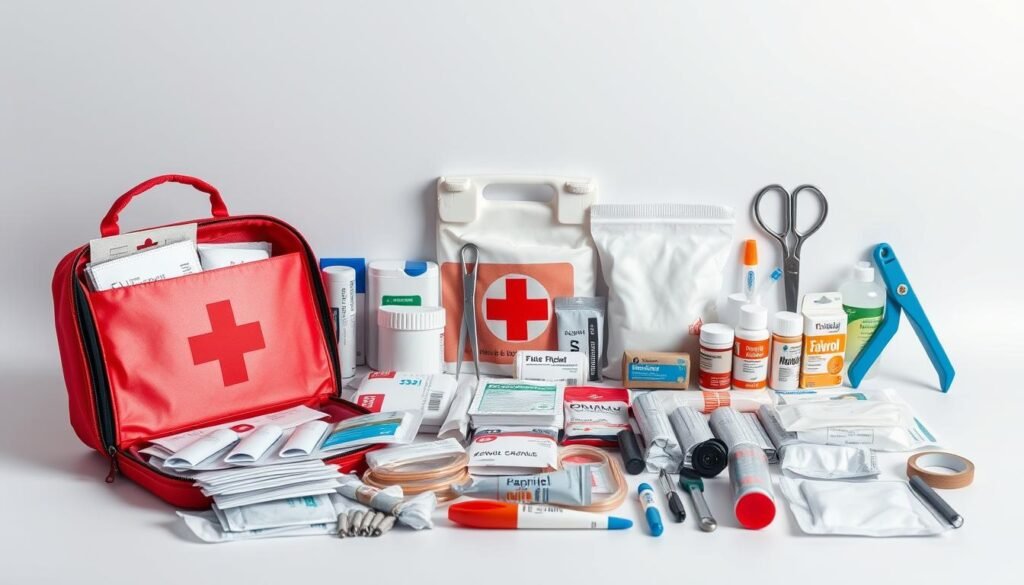
From blisters to fractures, outdoor mishaps demand smart preparation. We’ll show you how to build a compact yet comprehensive aid kit that actually works when seconds count.
Why a Trail Medical Kit is Non-Negotiable
Nature doesn’t negotiate; your first aid readiness shouldn’t either. When you’re hours from the nearest road, a basic cut or sprain can escalate into a life-threatening emergency. NOLS research confirms 35% of wilderness injuries need immediate care—often for issues that start small.
Consider hypothermia: It causes 20% of backcountry deaths, yet a space blanket could prevent it. Washington Trails Magazine stresses that kits aren’t just about bandaids—they’re about safety systems. A well-stocked pack turns a crisis into a manageable fix.
Prepared hikers save time, pain, and lives. A group with supplies can stabilize fractures or allergic reactions long before rescue arrives. Without them? Minor issues become disasters. The weight of supplies is trivial compared to the risk of being unprepared.
Ethically, carrying a kit isn’t optional—it’s a duty. If you lead a hike, you’re responsible for others’ well-being. A single missing item could mean the difference between a story and a tragedy.
Essential Supplies for Your Trail Medical Kit
Forget flimsy store-bought kits—here’s what truly belongs in your pack. A tailored selection of gear tackles 90% of outdoor emergencies. Focus on these four categories to stay safe.
Wound Care: Bandages, Gauze, and Antiseptics
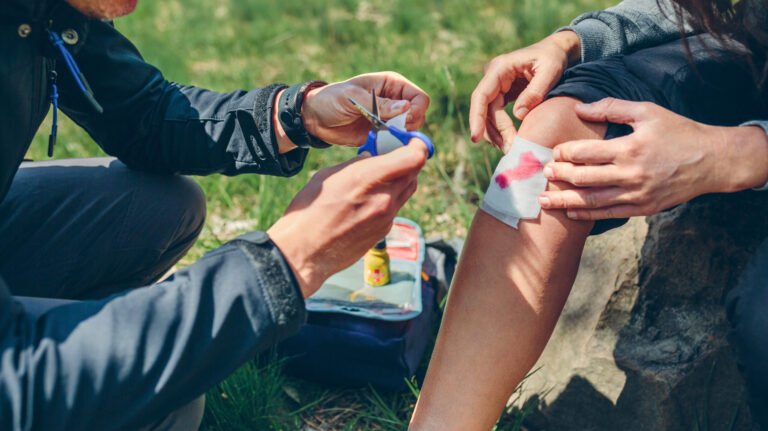
Sterile bandages and non-stick gauze prevent infection. Pack 5–10 dressings of varying sizes. A 35cc irrigation syringe cleans debris from wounds better than wipes.
Povidone iodine (diluted 1:10) disinfects deep cuts. Avoid hydrogen peroxide—it damages tissue. For blisters, Leukotape outperforms adhesive tape with stronger hold and waterproofing.
Medications: Pain Relief and Allergy Management
Ibuprofen reduces swelling from sprains. Antihistamines like Benadryl combat allergic reactions. Always carry personal epinephrine if needed. Label meds clearly with dosages.
Tools: Tweezers, Scissors, and Splints
Fine-tip tweezers remove splinters or ticks. Trauma shears cut clothing or gauze. A SAM Splint molds to fractures—studies show it cuts immobilization time by 40%.
Emergency Gear: Space Blankets and CPR Masks
A space blanket’s gold side retains heat; silver reflects sunlight. CPR masks boost survival rates by 60% during cardiac events. Store both in bright pouches for quick access.
| Item | Quantity | Purpose |
|---|---|---|
| Sterile Bandages | 5–10 | Cover wounds, prevent infection |
| Leukotape | 1 roll | Blisters, securing dressings |
| SAM Splint | 1 | Fracture stabilization |
How to Customize Your Kit for Any Adventure
Not all adventures require the same level of preparation—customization is crucial. A weekend backpacking trip demands more supplies than a quick day hike. Your gear should match the terrain, duration, and group needs.
Day Hikes vs. Multi-Day Expeditions
For short trips, focus on essentials:
- Bandages: 5–10 sterile dressings (UTMB races require 100cm lengths).
- Medications: Calculate *1 dose per person-day* (e.g., 2 people × 3 days = 6 ibuprofen tablets).
- Gloves: 1 pair suffices for day hikes; multi-day trips need 3x supplies.
Extended trips require bulkier wilderness first aid items. Add:
- Extra gauze rolls and wound closure strips.
- Rehydration salts for dehydration risks.
- A SAM Splint for fracture support.
Accounting for Group Size and Medical Needs
Larger groups need more supplies. Double quantities for every 4 people. Special cases demand extra planning:
- Pediatric: Child-safe medications and smaller bandages.
- Diabetic: Glucose gels and spare insulin pens.
- Allergies: Carry two EPI pens (Wilderness Medical Handbook recommends backups).
Pro Tip: Desert hikes need extra electrolyte tablets. Alpine trips require thermal blankets. Adapt your adventure medical kits to the environment.
Top Picks: Adventure Medical Kits and Wilderness-Focused Brands
Quality wilderness medicine starts with the right tools from trusted brands. Not all medical kits are equal—durability, weight, and contents define their real-world value. Here’s how top performers stack up.
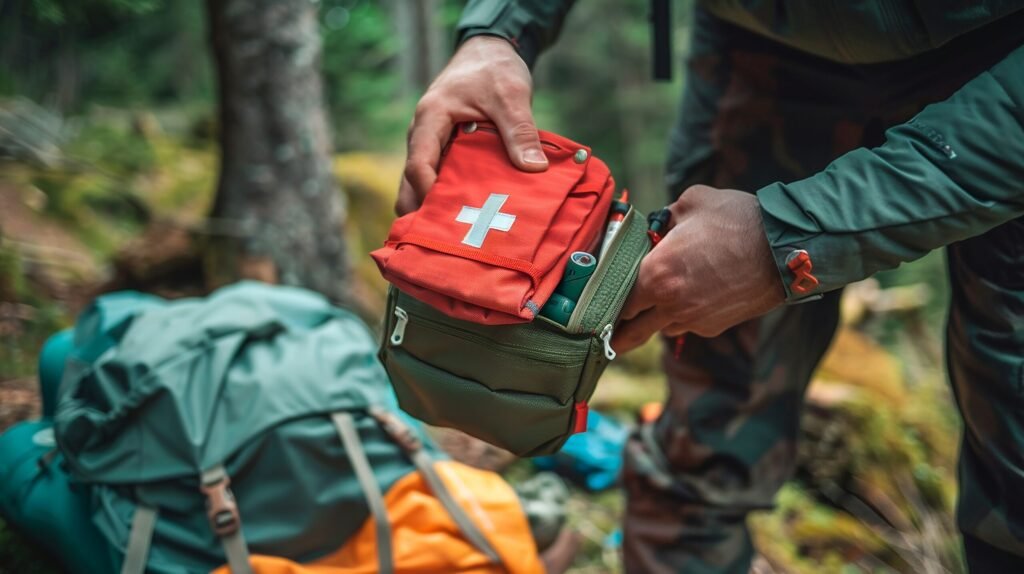
Adventure Medical Kits sets the bar with their UltraLight .5 Waterproof Kit. At $45, it’s a steal for 11.2oz of gear addressing 100+ emergencies. The waterproof case and organized compartments make it a favorite among thru-hikers.
Surviveware’s trauma shears rival the Leatherman Raptor at half the price. Their stainless-steel blades cut through gear effortlessly, proving budget doesn’t mean compromise.
SOL’s Survive Outdoors Longer bivvies retain 90% of body heat—critical for hypothermia prevention.
Niche brands like My Medic shine with customizable pouches. Add prescription meds or pediatric supplies effortlessly. Their modular design adapts to solo treks or group expeditions.
Cost-per-item ratios reveal surprises:
- Premium kits average $0.50 per item (AMK’s Mountain Series).
- Budget options hit $0.20 but often skimp on critical tools.
For guides, WMTC-certified kits are non-negotiable. They meet rigorous standards for backcountry emergencies. Whether you’re summiting peaks or desert trekking, investing in proven adventure medical gear pays off when it matters most.
Waterproofing and Organizing Your Kit Like a Pro
A soggy first aid bag turns lifesaving gear into useless weight—waterproofing is non-negotiable. Double-bagging with 6mil bags prevents 98% moisture intrusion, while color-coding slashes retrieval time by 30 seconds. Here’s how to master both.
Layering for Maximum Protection
Use this hierarchy to shield supplies from rain, spills, and humidity:
- Vacuum-seal critical items (medications, gauze).
- Slide into an Opsak odor-proof bag—blocks moisture and smells.
- Store in a hard case (Pelican or dry bag) for crush resistance.
“6mil bags outperform ziplocs in field tests—they resist punctures and last 5x longer.”
| Layer | Tool | Benefit |
|---|---|---|
| Innermost | Vacuum seal | Zero air/moisture |
| Middle | Opsak bag | Waterproof + scent-proof |
| Outer | Hard case | UV and impact protection |
Smart Organization Tactics
Label compartments by urgency:
- Red: Bleeding control (tourniquets, gauze).
- Yellow: Medications (pain relief, antihistamines).
- Green: Tools (tweezers, shears).
Use paracord to lash the bag externally for quick access. Loop it through MOLLE webbing or backpack straps. UV degradation? Store kits in shaded pockets or wrap in reflective blankets.
Wilderness First Aid Skills You Can’t Ignore
Blisters and fractures account for 40% of wilderness first emergencies—knowing how to respond is critical. When you’re far from clinics, improvisation and precision save lives. These techniques bridge the gap between injury and professional care.
Treating Blisters and Burns Effectively
Blisters derail more hikes than storms. Moleskin errors cause 23% of recurrences. Here’s how to handle them right:
- Sterilize: Use a flame or alcohol wipe on a safety pin before draining.
- Drain: Pierce the base, leave the skin intact to shield new tissue.
- Protect: Apply hydrocolloid bandages (blister prevention) for friction-free healing.
For burns, the hair follicle test reveals severity. If hair pulls out easily, it’s a deep burn needing urgent care. Cool minor burns with clean water for 10 minutes—never ice.
Stabilizing Fractures with Improvised Tools
Improvised splints reduce complications by 65%. A SAM Splint molds to ankles or wrists. Pair it with a triangular bandage for slings:
- Fold the bandage into a cravat.
- Support the arm at a 90-degree angle.
- Secure ends behind the neck for stability.
“Tourniquets are last-resort tools—use pressure points first for severe bleeding.”
These wilderness first skills turn chaos into control. Practice them before your next adventure—they’re as vital as your gear.
When to Supplement a Prepackaged Kit
A shocking 78% of off-the-shelf medical kits miss vital tools for serious injuries. Only 12% include benzoin tincture for better bandage adhesion. To bridge these gaps, strategic add-ons turn a basic kit into a lifesaver.
- QuickClot & Chest Seals: Stop severe bleeding fast. Hemostats clamp deep wounds when gauze fails.
- AMK Supplement Packs: Part #AMK-405 adds wound irrigation tools missing in 78% of kits.
- Dental Emergency Fixes: Dentemp seals cracked teeth; Orajel numbs pain until help arrives.
- Wilderness-Specific Meds: Ciprofloxacin combats traveler’s diarrhea—common in backcountry trips.
Israeli bandages outperform standard gauze for hemorrhage control. Their built-in pressure bars reduce blood loss by 40% compared to traditional wraps. For first aid supplies that work, building your first aid kit with these extras is essential.
“AMK’s Mountain Series supplements address 90% of prepackaged kit shortcomings—irrigation syringes alone cut infection risks by half.”
Customize based on trip length and risks. Desert hikes need extra electrolytes; alpine zones require thermal gear. Your kit should evolve with your adventures.
Common Mistakes to Avoid with Trail First Aid
Backcountry emergencies reveal critical flaws in most hikers’ preparation. A first aid kit is useless if used incorrectly—40% of adventurers carry expired antibiotics, worsening infection risks. Avoid these five deadly errors to stay safe.
Overpacking “just-in-case” items adds weight without value. Extra bandages? Useful. A suture kit without training? Dangerous. Focus on versatile tools like SAM Splints instead of niche gadgets.
Hydrogen peroxide destroys healthy tissue—yet 60% of hikers still use it. Studies show diluted povidone iodine reduces infection rates by 45%. For wound cleaning, sterile saline or clean water works best.
“Improper tick removal raises Lyme disease risk by 300%. Use fine-tip tweezers—never squeeze the body.”
Temperature ruins supplies fast. Adhesives melt in heat; medications degrade. Store kits in insulated pockets or use vacuum-sealed bags. Check expiration dates biannually.
Poor splint padding causes compartment syndrome. Wrap SAM Splints with soft gauze or clothing. Avoid direct skin contact—pressure sores develop in hours.
Altitude amplifies medication dangers. Ibuprofen + dehydration = kidney risk. Acetazolamide interactions can be fatal. Consult a doctor before mixing drugs at elevation.
Training Resources: Wilderness First Aid Courses
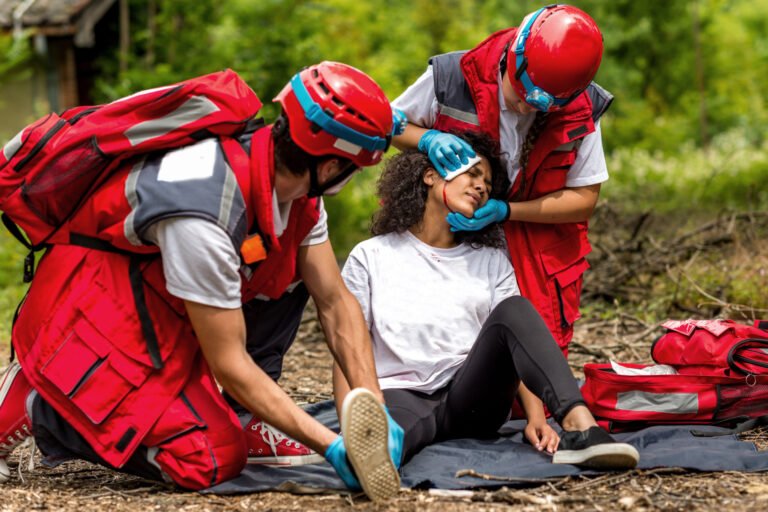
Certification separates prepared adventurers from those risking avoidable disasters. A wilderness medicine training program teaches skills beyond urban first aid—like reducing dislocations or identifying altitude sickness. NOLS’ 72-hour course ($795) delivers WFR certification recognized globally.
WMTC’s hybrid learning blends online theory with hands-on drills. Their scenarios simulate real crises: night rescues, limited supplies, or multiple casualties. Instructor Buck Tilton emphasizes, “Muscle memory saves lives when panic sets in.”
| Course Type | Duration | Skills Covered | Best For |
|---|---|---|---|
| WFA (Wilderness First Aid) | 16 hours | Blisters, fractures, hypothermia | Weekend hikers |
| WFR (Wilderness First Responder) | 72+ hours | CPR, epinephrine use, wound suturing | Expedition leaders |
REI offers nationwide courses starting at $250. Their weekend workshops focus on practical skills like tourniquet application. Guides receive 10% insurance discounts through Outward Bound’s partner program.
Advanced simulations include:
- Mock avalanche responses with time pressures
- Improvised splinting using trekking poles
- Allergy management without epinephrine pens
“WFR graduates reduce patient deterioration rates by 58% in backcountry settings.” — Wilderness Medical Associates
Investing in training makes your gear truly effective. When every second counts, certified responders act decisively—not hesitantly.
Final Tips for Staying Safe and Prepared
Smart adventurers know gear alone isn’t enough—skills save lives. A survival whistle’s 120dB blast outpaces shouts (90dB), while PLBs slash rescue times to 47 minutes. Prioritize safety with these protocols.
Master daylight SOS signals with mirrors—reflect sunlight in bursts of three. Document emergency waypoints on maps or GPS devices. Pair bear spray practice with first aid drills for muscle memory.
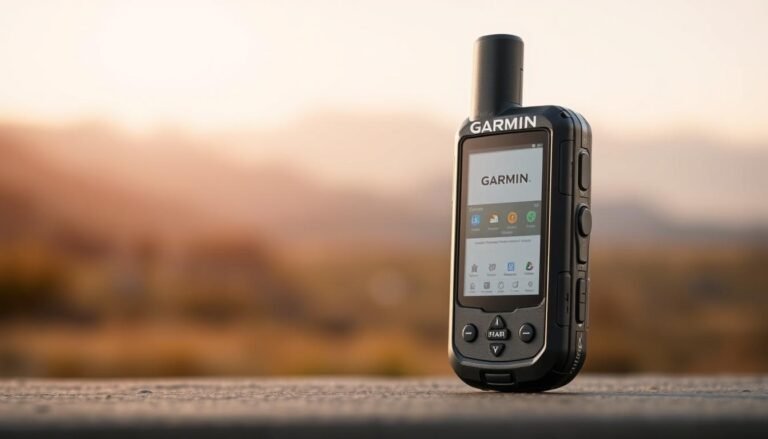
Satellite communicators like Garmin inReach cost $15/month but ensure connectivity on remote trail routes. Download our gear checklist PDF to audit supplies pre-trip.
When seconds count, preparation is your best tool. Train hard, pack smart, and stay alert. For more great articles, go here.