The Commercialization of Hiking: When Nature Becomes a Brand
Explore the impact of The Commercialization of Hiking on outdoor culture and trends in the US.
As hiking becomes increasingly popular, the great outdoors is being reshaped by the forces of commercialization. What was once a simple pleasure of connecting with nature has evolved into a multi-billion-dollar brand experience. Let’s discuss The Commercialization of Hiking.
The wilderness experience, once the domain of a select few, is now being marketed to wider audiences, changing the fundamental relationship between people and the natural world. As we explore this transformation, we must consider what’s being gained and lost in the process.
The experience of hiking is being redefined by social media, gear manufacturers, and tourism industries, raising important questions about the impact of commercialization on our connection to nature.
The Evolution of Hiking from Pastime to Industry
The transformation of hiking from a simple recreational activity to a multi-billion dollar industry has been a gradual process, influenced by various economic and social factors. This evolution is marked by significant developments in hiking gear, trail establishment, and the commercialization of outdoor experiences.
Historical Roots of Recreational Hiking
Recreational hiking has its roots in the early 20th century when national parks and trails began to be developed. The establishment of the Appalachian Trail in 1937 and the Pacific Crest Trail in 1968 created iconic routes that would later become central to the hiking industry. Post-WWII, economic growth and increased leisure time made hiking more accessible to the general public. As a result, hiking transitioned from an activity primarily for enthusiasts to a broader recreational pursuit.
The Transition to Commercial Enterprise
The transition of hiking into a commercial enterprise was driven by the development of specialized gear and equipment. Companies like REI, founded in 1938, began catering to hikers with high-quality gear, contributing to the growth of the industry. The development of national scenic trails not only provided hikers with destinations but also created marketable products for the tourism industry. Today, hiking is a significant sector within the outdoor recreation economy, with a wide range of companies offering gear, guided tours, and trail experiences.
| Year | Event | Impact on Hiking Industry |
|---|---|---|
| 1937 | Appalachian Trail Established | Created a iconic hiking route, boosting trail tourism |
| 1968 | Pacific Crest Trail Established | Further expanded long-distance hiking opportunities |
| 1938 | REI Founded | Specialized gear for hikers, contributing to industry growth |
The Commercialization of Hiking: Defining the Phenomenon
The commercialization of hiking is a multifaceted phenomenon, driven by a diverse range of industry players, from gear manufacturers to tourism boards. This complex ecosystem influences how hiking is perceived and experienced by hikers today.
The hiking industry encompasses various sectors, including outdoor companies that produce hiking gear, media platforms that report on hiking trends, and local economies near popular hiking destinations in parks. These entities have developed sophisticated marketing strategies that not only promote products but also shape the culture surrounding hiking.
What Constitutes Commercial Hiking Today
Commercial hiking today involves a broad range of activities and businesses. Large outdoor retailers like REI, Patagonia, and The North Face have expanded their roles beyond selling equipment to become lifestyle brands. They influence hiking culture through their marketing campaigns, advocacy for environmental causes, and sponsorship of outdoor events.

Key Players in the Hiking Industry
Key players in the hiking industry include gear manufacturers, media outlets, and tourism entities. Media platforms, including magazines, websites, apps, and social media channels, play a crucial role in reporting on and shaping hiking trends. Tourism boards near popular hiking destinations develop marketing strategies that commodify natural experiences, attracting more visitors and boosting local economies.
The interaction among these commercial entities creates an ecosystem that continuously reinforces the commercialization of hiking. As a result, hiking is not just an outdoor activity but a significant part of the outdoor industry, influencing how people engage with nature and perceive the value of natural experiences.
The Economics Behind Outdoor Recreation
The outdoor recreation industry has experienced significant growth, with hiking being a major contributor to its economic impact. As the popularity of hiking continues to rise, it’s essential to examine the economic implications of this trend.
The Size and Scope of the Hiking Market
The hiking market has become a substantial segment of the outdoor recreation industry. Companies have developed sophisticated strategies to monetize outdoor experiences, often promoting expeditions as “great events” even when they may be relatively ordinary achievements. Gear manufacturers have expanded their product lines, creating perceived obsolescence to encourage regular equipment upgrades among hikers.
Subscription-based hiking models, including trail access passes, hiking clubs, and digital content platforms, have also become prevalent, generating recurring revenue streams for companies.
How Brands Monetize the Wilderness Experience
Brands leverage aspirational marketing to associate their products with idealized wilderness experiences, creating emotional connections that drive consumer loyalty. Some companies have adopted cause marketing related to conservation, using environmental concerns to differentiate their brands while promoting consumption. This approach not only generates revenue but also fosters a sense of community among outdoor enthusiasts.
By understanding how the hiking industry monetizes the wilderness experience, we can better appreciate the complex dynamics at play in the outdoor recreation sector.
Media’s Role in Transforming Hiking Culture
The way we experience hiking is heavily influenced by media representation. The media industry has become a significant force in shaping outdoor narratives, affecting how we perceive and engage with nature.
The “Instagram Effect”
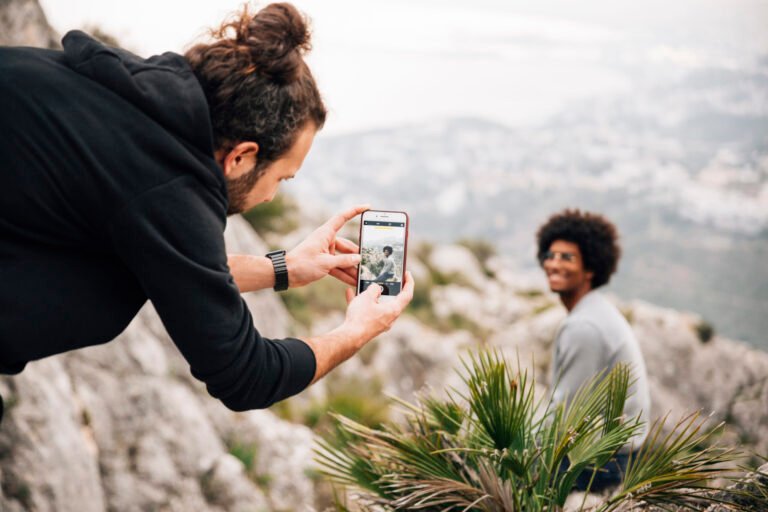
Social media platforms, particularly Instagram, have revolutionized the way content about hiking is consumed. The visually-driven nature of these platforms has turned hiking into a highly aestheticized activity, with many users sharing images of breathtaking landscapes and challenging trails. This has created a new kind of media influence, where the line between personal experience and promotional content is increasingly blurred.
- Instagram’s algorithm favors sensational and visually appealing content.
- Influencers and outdoor enthusiasts share their hiking experiences, often with sponsored gear and destinations.
- The focus on extreme and scenic hiking experiences can create unrealistic expectations.
Outdoor Publications and Sponsored Content
Traditional outdoor publications have also evolved, incorporating more sponsored content to remain viable in the digital age. This shift has led to a blending of editorial and advertising content, making it challenging for readers to distinguish between objective recommendations and promotional material.
As stated by one source, “Most public presentations of climbing, be they traditional print periodicals, modern web sites or film and video productions, are commercial in nature.” This observation highlights the pervasive influence of commercial interests on outdoor media, including companies that produce gear and manage destinations.
In an article discussing the future of outdoor media, it’s clear that the industry is moving towards more diverse and accessible narratives. Some publications are now focusing on environmentally conscious hiking practices and promoting underrepresented trails.
Gear Culture: When Equipment Defines the Hiker
The modern hiker’s relationship with gear is complex, influenced by marketing, social media, and a desire for authenticity. As the outdoor industry continues to grow, understanding this dynamic is crucial.
Marketing’s Role in Shaping Gear Culture
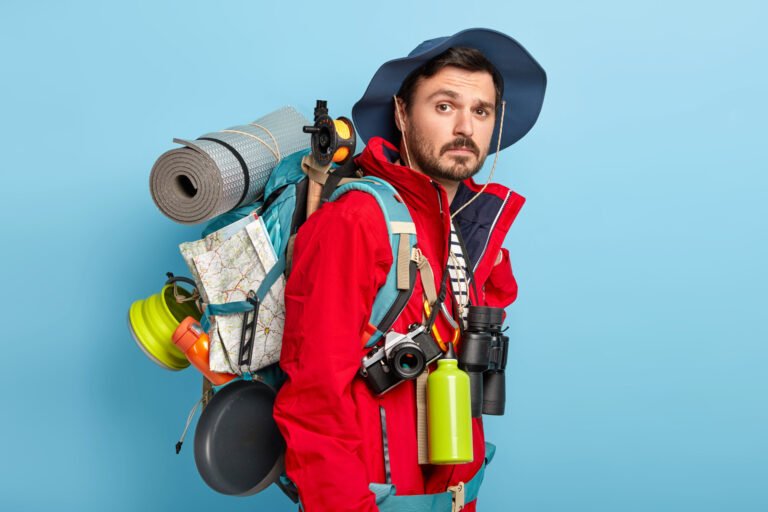
The way hiking equipment is marketed has undergone significant changes over the years. Brands now often focus on creating an identity for their products, associating them with certain lifestyles or values. This strategic marketing aims to create an emotional connection between the hiker and the gear.
For instance, many brands use sponsored content on social media platforms to showcase their products in action. Influencers and outdoor enthusiasts share their experiences with specific gear, often highlighting how it enhances their hiking experience. This form of marketing not only promotes the product but also contributes to the cultural narrative around gear.
| Marketing Strategy | Impact on Hikers |
|---|---|
| Sponsored Content | Influences purchasing decisions |
| Brand Identity | Creates emotional connection |
| Social Media Campaigns | Shapes perceptions of necessary gear |
The Psychological Impact of Gear Acquisition
The psychological aspects of gear acquisition among hikers are significant. The concept of “gear acquisition syndrome” suggests that the pursuit of equipment can become an end in itself, rather than a means to enhance the hiking experience. This phenomenon raises questions about the true motivations behind gear purchases: are hikers seeking to connect with nature, or are they driven by the desire for social validation?
Moreover, the ownership of certain brands or types of equipment has become a form of cultural capital within hiking communities. It signals belonging and expertise among hikers, creating a sense of identity tied to the gear they own. However, this can also create barriers to entry for newcomers who may feel pressured to acquire the “right” gear to participate fully.
At the same time, the pursuit of gear can provide a sense of security and belonging for those who can afford to participate. The psychological satisfaction derived from gear acquisition can sometimes overshadow the satisfaction derived from the hiking experience itself, leading to a situation where equipment becomes a substitute for authentic outdoor engagement.
Access and Equity: Who Gets to Experience Nature?
As hiking becomes increasingly commercialized, concerns about access and equity come to the forefront. The growing popularity of outdoor activities has raised questions about who can participate and who is left behind.
Commercialization’s Impact on Trail Access
The commercialization of hiking has led to increased access to trails, but it has also created new challenges. With more people venturing into nature, trails are facing strain, and some areas are becoming overcrowded. This raises concerns about the long-term sustainability of these natural spaces.

Economic Barriers to Hiking Participation
The cost of gear, transportation, and accommodations can be prohibitive for many would-be hikers, creating significant barriers to participation. The total cost of hiking can be substantial, and this expense can limit people’s ability to engage in the activity. Initiatives such as gear libraries and subsidized programs are being explored to address these economic disparities.
By examining the economic factors that influence participation in hiking, we can better understand how to make the activity more inclusive and accessible to a wider range of people.
Case Study: National Parks and the Struggle with Popularity
National parks across the United States are facing a significant challenge in balancing preservation with public access. As these protected areas become increasingly popular, the tension between allowing visitors to experience nature and preserving the natural environment grows.
Pikes Peak: A Microcosm of the Issue
Pikes Peak, known as “America’s Mountain,” is a prime example of the challenges faced by popular national park destinations. With over 500,000 visitors annually, the peak is struggling to manage the impact of tourism. The issue becomes one of equal public access: if Pikes Peak is truly something valuable and transformative, shouldn’t it be shared with as many people as possible? However, this raises concerns about the long-term sustainability of the area.
Strategies for Balancing Preservation and Access
To address these challenges, national parks are implementing various management strategies. These include:
- Reservation systems to control visitor numbers
- Visitor caps to prevent overcrowding
- Shuttle services to reduce traffic and environmental impact
- Designated high-use areas to protect sensitive habitats
The concept of “carrying capacity” is crucial in determining sustainable visitation levels. By understanding the maximum number of visitors an area can handle without degradation, land managers can make informed decisions about access and preservation.
Commercial interests can both complicate and contribute to solutions for balancing preservation with access. While they can provide funding and infrastructure, they can also exacerbate the problem if not managed carefully. The future of national parks depends on finding a balance that preserves their natural beauty while allowing public access.
Competing Perspectives: The Benefits and Drawbacks
The debate surrounding the commercialization of hiking has sparked intense discussion among outdoor enthusiasts and industry stakeholders. On one hand, the increased accessibility of hiking trails and outdoor gear has democratized nature experiences, making them more inclusive for a broader audience.
The Argument for Democratizing Nature
Proponents of commercialization argue that it has opened up the outdoors to people who might not have had the opportunity to experience it otherwise. By providing guided tours, affordable gear, and accessible trails, the hiking industry has made significant strides in promoting diversity and equity in outdoor recreation. This democratization of nature can foster a greater appreciation for the environment and encourage more people to become involved in conservation efforts.
The Case for Preserving Wilderness Experience
On the other hand, there are concerns that the commercialization of hiking is eroding the very essence of the wilderness experience. As one source notes, “Mountains, they feel, should be kept as sacred wilderness, requiring work and skill to ascend. The summits aren’t the same with buildings and crowds of people; they should be left to the few who are willing to put in the effort.” Preserving wilderness areas in their natural state is seen as crucial for maintaining ecological balance, protecting biodiversity, and providing a genuine wilderness experience that is increasingly rare in a commercialized landscape.
The future of hiking will likely involve a balance between making nature accessible to a wider audience and preserving the integrity of wilderness areas. As the industry moves forward, it’s essential to consider the perspective of all stakeholders, from hikers and outdoor enthusiasts to conservationists and local communities, to ensure that the wilderness experience is protected for generations to come.
Finding Balance in the Future of Hiking
Striking a balance between the commercialization of hiking and the preservation of natural spaces is essential for the future of the sport. As we’ve explored, the commercialization of hiking has transformed the way people experience the wilderness. While this brings economic benefits, it also poses significant challenges to conservation efforts.
Emerging models, such as sustainable tourism initiatives and tiered access systems, offer promising approaches to balancing commercial interests with conservation goals. For instance, digital permits and real-time trail condition updates can enhance the hiking experience while managing the environmental impact.
The hiking community itself plays a crucial role in shaping a healthier relationship with commercialization. Through informed consumer choices and advocacy, hikers can influence the industry’s practices. Moreover, community-based alternatives to purely commercial hiking experiences can provide a more authentic way to engage with nature.
Ultimately, finding this balance requires ongoing dialogue among diverse stakeholders, including hikers, conservation groups, indigenous communities, local economies, and commercial entities. By working together, we can ensure that the future of hiking preserves the essence of the wilderness experience for generations to come.
As one source aptly suggests, “before we demonize the doughnut shop, let’s take a hard look at how we ourselves treat outdoor pursuits.” This reflection encourages us to consider our role in shaping the future of hiking and the way we interact with the natural world. For more great articles, go here.