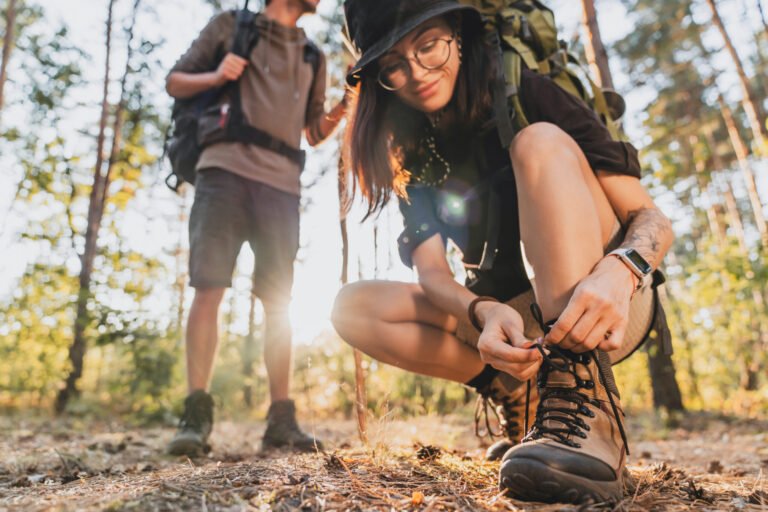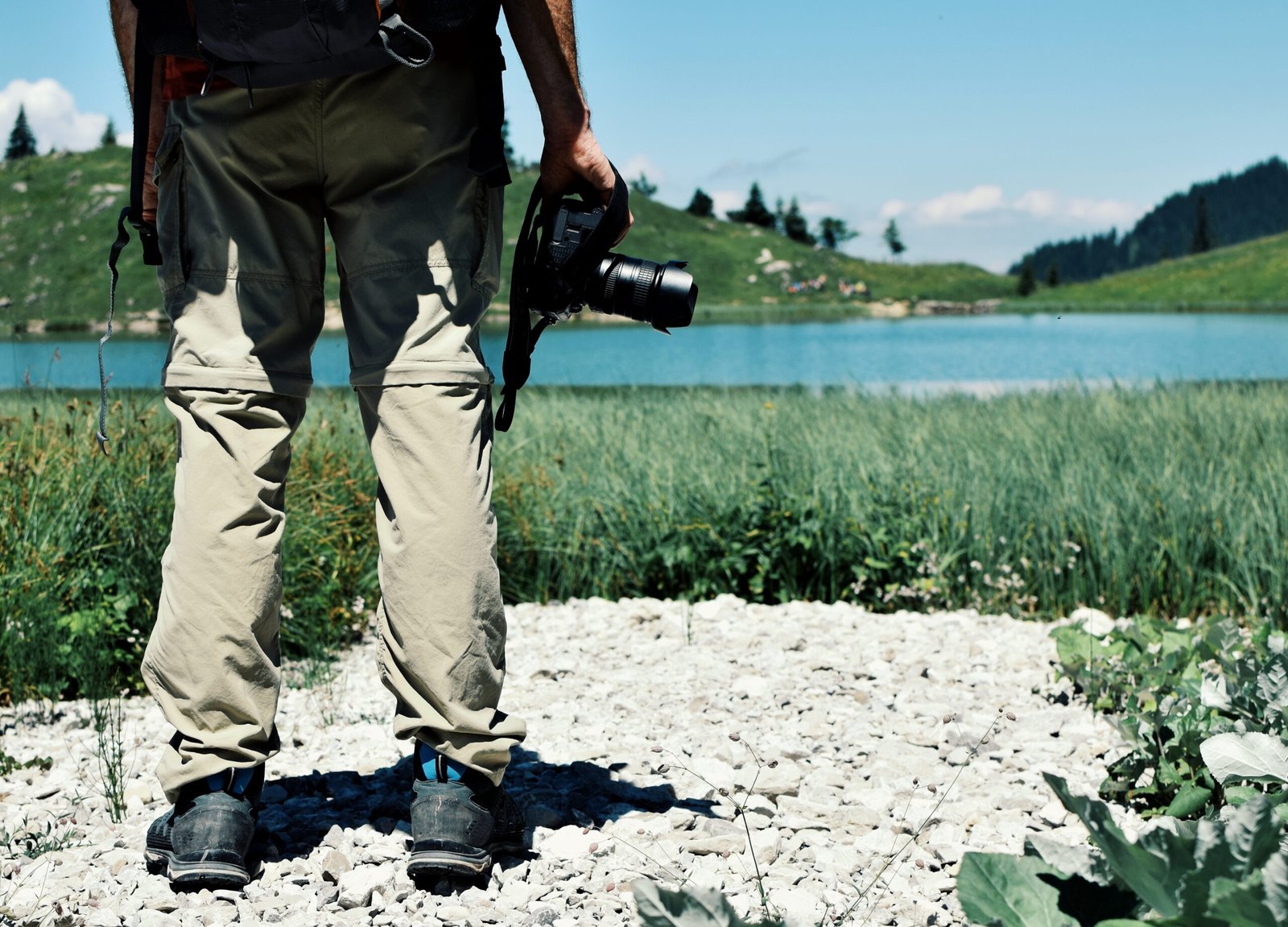
Micro-Adventures: Why You Don’t Need to Go Far to Go Wild
Get ready for Micro-Adventures: Dive into a curated list of short, local adventures that prove you don’t need to go far to go wild.
What if adventure wasn’t about crossing oceans or climbing mountains? British explorer Alastair Humphreys calls it “a state of mind” – less about distance, more about curiosity. This is where micro-adventures thrive: small-scale explorations that fit between workdays or weekends.
Think of them as joy bombs for your routine. A sunrise hike at a nearby trail. Stargazing in your backyard. Trying a new food truck across town. These experiences spark the same enthusiasm as grand trips but demand far less time or money.
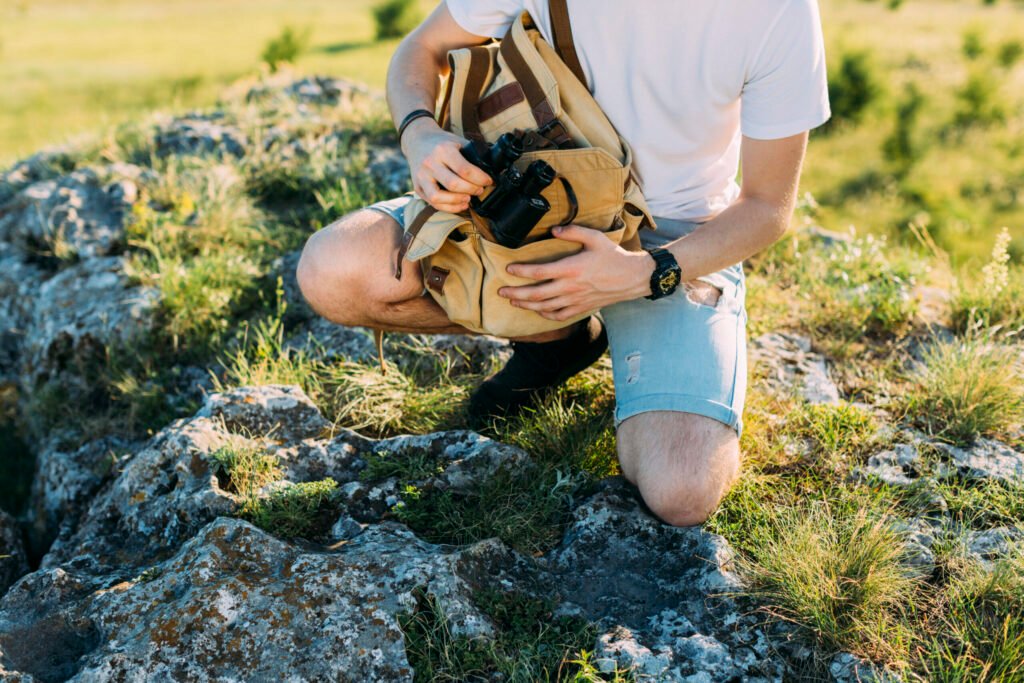
Research shows anticipation itself boosts happiness. Planning a quick paddleboard session after work or a Saturday bike ride gives you something exciting to look forward to. It’s not about adrenaline – it’s about breaking patterns. Even familiar places feel fresh when approached with open-mindedness.
The magic lies in perspective shifts. Walking home via a different route. Chatting with a neighbor you’ve never met. These moments teach us to see our world through an explorer’s eyes. As Humphreys notes, true adventure needs “ambition to try something new” – not a passport.
You don’t need expertise or gear. Just willingness to step beyond routine. That café you’ve driven past 100 times? Today’s the day to finally try it. Your local park after dark? A whole new ecosystem awaits.
This is intentional living at its simplest. Microadventures prove extraordinary life moments hide in plain sight – if we’re bold enough to look.
Defining Micro-Adventures and Local Escapes
You don’t need a plane ticket to discover something new. British adventurer Alastair Humphreys popularized the term microadventures, describing them as “short, local, cheap activities that deliver fun and rewarding experiences.” These bite-sized explorations last hours instead of weeks – think cycling to a nearby lake or hunting for street art in your city.
Three pillars define Humphreys’ approach: accessibility, affordability, and immediacy. Unlike traditional trips requiring months of planning, microadventures work around your schedule. A 2023 Outdoor Industry Report found 78% of Americans prefer activities within 50 miles of home. This shift proves adventure thrives in backyards as much as backcountries.
| Aspect | Traditional Adventure | Microadventure |
|---|---|---|
| Time | Weeks/months | Hours/days |
| Cost | $500+ | Free-$50 |
| Location | Remote destinations | Local areas |
Urban camping illustrates this concept perfectly. Pitch a tent on your balcony. Cook dinner over a portable stove. You’ll gain fresh perspectives without leaving your ZIP code. As Humphreys argues, “Adventure becomes democratic when it’s stripped of logistics.”
Common barriers like limited funds or vacation days dissolve with these ideas. A family can explore creek ecosystems after school. Office workers might map every coffee shop in their district. Each experience builds confidence to seek bigger challenges.
Uncovering the Brain-Boosting Benefits of Short Local Adventures
Neuroscience reveals why brief local explorations pack mental punches. When you bike a new trail or visit a hidden waterfall, your brain releases dopamine – the same reward chemical triggered by international travel. This biological response explains why fresh experiences near home sharpen focus and spark creativity.
Blue Mind science shows water-based activities lower stress hormones by 20%. A quick paddleboard session or lakeside picnic taps into this effect. Even urban fountains or backyard pools offer measurable mood boosts through sound and movement patterns.
| Brain Benefit | Local Activity | Scientific Basis |
|---|---|---|
| Neuroplasticity | Walking new routes | Creates neural pathways |
| Stress Reduction | Gardening | Soil microbes boost serotonin |
| Creative Thinking | Urban sketching | Novelty triggers insight |
Dirt contains Mycobacterium vaccae – bacteria shown to reduce depression. Digging in community gardens or hiking muddy trails lets these microbes work their magic. As one UCLA study notes: “Nature contact acts like a reset button for overstimulated minds.”
Weekly microadventures combat mental stagnation better than rare big trips. Trying a new café or exploring a different park bench keeps your brain engaged with manageable challenges. This approach aligns with science showing regular novelty prevents cognitive decline.
Your neighborhood holds untapped potential for growth and fun. Whether cloud-watching at lunch or photographing local wildlife, these small adventure sparks rewire thinking patterns. The result? A sharper mind without jet lag.
Curated List of Micro-Adventures to Ignite Your Wanderlust
Your next great discovery might be just a few steps away. These microadventure ideas turn ordinary evenings into extraordinary adventure without needing specialized gear or weeks of planning.
| Activity | Time Needed | Cost | Key Benefit |
|---|---|---|---|
| Backyard Camping | 3–5 hours | $0–$30 | Nature immersion |
| Night Hiking | 1–2 hours | Free | Sensory awakening |
| Wild Swimming | 45 minutes | Free | Stress relief |
Sleep Under the Stars in Your Backyard
Transform your lawn into a basecamp. Lay blankets on the grass or pitch a tent. Listen for owls instead of traffic. Research shows sleeping outdoors resets circadian rhythms – no wilderness permit required.
Bring binoculars to spot constellations. Pack thermoses of cocoa for midnight snacks. This activity works equally well on apartment balconies using sleeping bags.

Take a Night Hike with Headlamps
Familiar trails become alien landscapes after dark. Walk slowly to notice bioluminescent fungi or raccoon tracks. Keep lights dim to preserve night vision – safety first.
Try this urban twist: Map a route connecting 24-hour diners or neon-lit landmarks. The night transforms ordinary things into mysterious waypoints.
Pro tip: Combine ideas – stargaze during your hike, then camp in a park. Most cities allow overnight stays in designated green spaces. Check local regulations, then let curiosity guide you.
Embracing Both Type-1 and Type-2 Fun in Everyday Life
Not all adventures need to push you to your limits – some can feel as easy as Sunday morning. British adventurer Alastair Humphreys categorizes enjoyment into two types: “Type-1 fun feels good in the moment, while Type-2 fun only becomes enjoyable in hindsight.” Understanding this distinction helps craft local experiences that fit your mood and goals.
| Fun Type | Experience | Reward Timing | Local Example |
|---|---|---|---|
| Type-1 | Instant enjoyment | During activity | Sunset picnic |
| Type-2 | Retrospective joy | After completion | Morning cold plunge |
Type-1 activities – like trying a new bakery or floating in a community pool – stay firmly in your comfort zone. They’re perfect for recharging after stressful days. Type-2 challenges, such as biking steep hills or volunteering for a 5K, build resilience through temporary discomfort.
The magic happens when you blend both. A neighborhood walk becomes richer if you take unfamiliar streets (Type-2) then reward yourself with ice cream (Type-1). Humphreys suggests this “push-pull approach” helps people grow without burnout.
Start small: if public speaking terrifies you, share stories at a local book club before addressing bigger crowds. These layered experiences make expanding your comfort zone feel natural rather than forced.
Your ideal balance depends on daily energy levels. Some days call for hammock naps by the river (pure Type-1). Others might demand conquering that rocky trail you’ve avoided. Both paths add texture to life – the key is knowing which way to lean today.
Micro-Adventures: Exploring Your World Without Going Far
Adventure whispers in the rustle of leaves you’ve walked past a thousand times. The challenge? Seeing your home through a tourist’s gaze – noticing architectural quirks on your street or chatting with the barista you’ve silently ordered from for years. Psychologists call this “cognitive defamiliarization” – deliberately breaking autopilot patterns to rediscover your world.
Our brains cling to routines. That shortcut to work? It’s etched into neural pathways. But research shows novelty-seeking rewires thinking. Try eating lunch at a different park bench each Wednesday. Document changing storefronts on your block. These acts mirror the curiosity we reserve for travel, transforming mundane spaces into discovery zones.
Create psychological distance from daily grind. Pretend you’re hosting an out-of-town friend: where would you take them? Urban explorers call this “the outsider lens”. One Chicago resident mapped every mural in her district – 47 artworks she’d previously rushed past.
Time constraints? Schedule 15-minute detours. Walk backward through your favorite trail. Visit that historic place you’ve labeled “for tourists”. As author Kurt Vonnegut noted: “Strange travel suggestions are dancing lessons from God.” Your neighborhood holds similar invitations.
Microadventures satisfy our need for novelty without baggage claims. That alleyway becomes a gallery when you photograph peeling paint textures. The 6 AM bakery line turns into people-watching anthropology. Adventure isn’t a location – it’s a way of seeing.
Integrating Local Adventures into Your Daily Routine
Your greatest discoveries might lie between your front door and mailbox. By reframing routine tasks as exploratory missions, you uncover gems woven into your everyday life. This approach turns school runs, dog walks, and commutes into portals for curiosity.

Discovering Hidden Gems in Your Neighborhood
Urban planner Jane Jacobs famously noted: “Cities have capabilities for providing something for everybody, only because, and only when, they are created by everybody.” Apply this mindset to your block. That cracked sidewalk? It might follow a colonial-era footpath. The ivy-covered wall? Home to six bird species you’ve never noticed.
Swap one weekly drive for a walk using the iNaturalist app. Document seasonal changes in roadside weeds or track squirrel nesting patterns. A Portland resident recently identified 27 plant species during her 15-minute Starbucks stroll – all previously labeled “just bushes”.
Historical surprises hide in plain sight. St. Augustine locals rediscovered 18th-century donkey trails beneath modern bike paths. Brooklyn neighbors mapped secret garden gates connecting backyards. Your day becomes richer when you view streets as living museums.
| Routine Task | Adventure Twist | Tool |
|---|---|---|
| Grocery shopping | Photograph architectural details | Camera phone |
| Evening walk | Identify nocturnal insects | Audubon Guide |
| Coffee break | Sketch street scenes | Notebook |
These practices require zero extra time – just shifted attention. Notice how morning light hits different buildings each season. Collect fallen leaves to press. Chat with the mail carrier about neighborhood changes. As Jacobs observed, “You can’t rely on bringing people downtown; you have to put them there.” Start by being present where you already are.
Gear and Gadgets: Enhance Your Micro-Adventures Experience
Ever wondered how a simple gadget could turn your evening walk into an expedition? The right tools amplify local exploration – no expert training required. Modern tech blends seamlessly with spontaneous outings, transforming ordinary moments into data-rich journeys.
Smart Sports Watches and Navigation Tools
Devices like Polar sports watches track heart rate, GPS routes, and recovery metrics. These tools turn a neighborhood jog into a training session with tangible goals. One user mapped 12 hidden trails near her apartment using built-in navigation – all within her weekly routine.
Everyday Items for a Quick Escape
A gravel bike’s 40mm tires handle pavement and dirt equally well. Pair it with a compact headlamp for twilight rides. Basic gear like this empowers people to pivot plans instantly – from commute to adventure in minutes.
| Gear Type | Key Benefit | Budget Option |
|---|---|---|
| Sports Watch | Progress Tracking | $150–$400 |
| Gravel Bike | Terrain Flexibility | $600–$1,200 |
| Weather App | Trip Planning | Free |
Free smartphone apps identify plants or chart constellations during park visits. These tools deepen engagement without complicating spontaneity. As one urban explorer notes: “My phone’s compass feature helped me discover north-facing murals that stay shaded in summer.”
Affordable gear removes barriers for people starting their journey. A $20 waterproof pouch protects phones during creek wading. A recycled blanket becomes a picnic basecamp. Remember – adventure thrives where preparation meets curiosity.
Rediscovering Your Surroundings Through New Eyes
What if your greatest discoveries lie in places you’ve stopped noticing? Familiar streets hold secrets when viewed with intentional curiosity. A dog owner in Seattle mapped seven new walking routes simply by letting her pup choose directions – a playful way to break autopilot patterns.
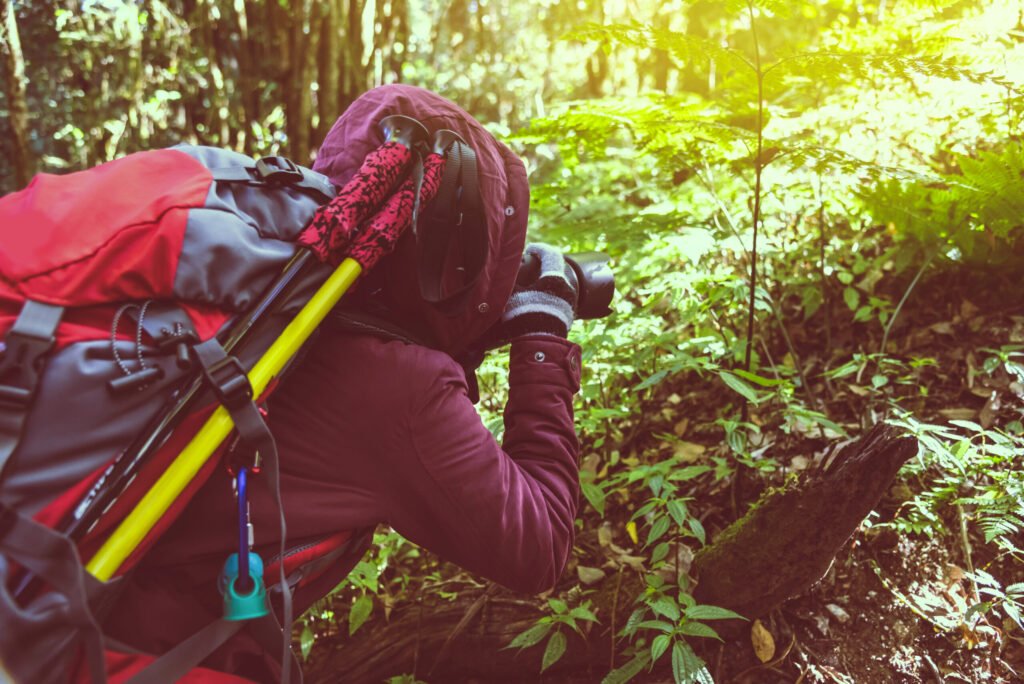
Golden hour transforms ordinary neighborhoods into artistic playgrounds. Photographing shadows on brick walls or dew-kissed gardens sharpens your sense of detail. As one Instagrammer found: “Shooting daily snaps of my block made me look around like a first-time visitor.”
Creating hometown travel guides flips the script. List quirky landmarks or hidden benches with perfect sunset views. Locals in Austin, Texas, documented 200+ murals through crowd-sourced maps – turning their home into an interactive art crawl.
Barriers dissolve when you engage people as collaborators. Chat with shop owners about neighborhood history. Join community cleanups to uncover forgotten green spaces. These actions build fresh connections to your place while combatting the blindness of routine.
Adventure lives in the pause between steps. Slow down. Notice cracked sidewalks blooming with wildflowers. Listen for wind chimes you’ve tuned out. Your home becomes boundless when approached with a traveler’s sense of wonder. For more great articles, go here.