Gear Libraries and Rental Programs
Discover the benefits of Gear Libraries and Rental Programs. Explore equipment access alternatives in our Ultimate Guide to optimizing your gear usage.
Exploring nature shouldn’t require emptying your wallet. Across the U.S., communities are embracing creative solutions that let people borrow high-quality outdoor gear instead of buying it. These systems work like traditional libraries but focus on tents, backpacks, and other adventure essentials. Let’s talk about Gear Libraries and Rental Programs.
The concept isn’t new—the Appalachian Mountain Club launched its youth-focused initiative in 1968. Last year alone, their network enabled 690 wilderness trips. Today, organizations like the Outdoors Empowered Network support 12 regional groups from Arizona to Washington, helping 50,000 young explorers annually.
Why pay $500 for a kayak you’ll use twice? These resource-sharing models remove storage headaches and upfront costs. Families can test hiking gear before investing, while students gain access to professional-grade tools for school expeditions.
Modern programs combine convenience with sustainability. They’re perfect for occasional campers or anyone curious about rock climbing. By prioritizing access over ownership, these initiatives make nature experiences more inclusive—especially in urban areas where storage space is limited.
This guide will show how to find local options and specialty services. Discover how to enjoy premium equipment without the price tag, whether you’re planning a weekend getaway or a month-long expedition.
What Are Gear Libraries and Rental Programs?
Access to outdoor essentials is evolving beyond traditional ownership models. Instead of purchasing expensive items that gather dust, people can now borrow what they need through community-driven systems. These services range from free lending hubs to premium rental options, all designed to reduce barriers to nature exploration.
Defining Equipment Access Alternatives
Equipment access alternatives let users temporarily obtain tools for adventures without long-term commitments. Public institutions like North Texas libraries now stock tents, kayaks, and even GPS devices alongside books. “Our patrons check out binoculars for birdwatching trips as easily as mystery novels,” explains a local librarian.
Most systems operate through simple membership processes. Adults with valid IDs can typically borrow items for 7-14 days, though some specialty backpacking kits allow longer terms. Commercial providers offer technical gear like ice axes or avalanche safety equipment through daily rental fees.
Available inventory varies by location but often includes:
- Sleeping bags rated for extreme temperatures
- Portable cooking systems for backcountry meals
- Waterproof clothing suitable for mountain expeditions
Deposit requirements and late fees help maintain quality while keeping access affordable. Many programs partner with outdoor educators to ensure proper equipment use, creating safer experiences for first-time adventurers.
Benefits and Community Impact of Borrowing Outdoor Gear
Outdoor adventures become more inclusive when communities share resources. These systems help people enjoy nature while tackling three major challenges: financial barriers, environmental strain, and unequal access to wilderness experiences.
Smart Savings Meet Premium Equipment
Cost-effectiveness drives participation in borrowing initiatives. A family can outfit four campers with professional-grade tents and sleeping bags for under $50—less than the price of one air mattress. “Our members often discover brands they’d never risk buying blind,” notes a coordinator from Families in Nature, whose participants logged 200,000 outdoor hours using shared kits.
Green Choices for Lasting Trails
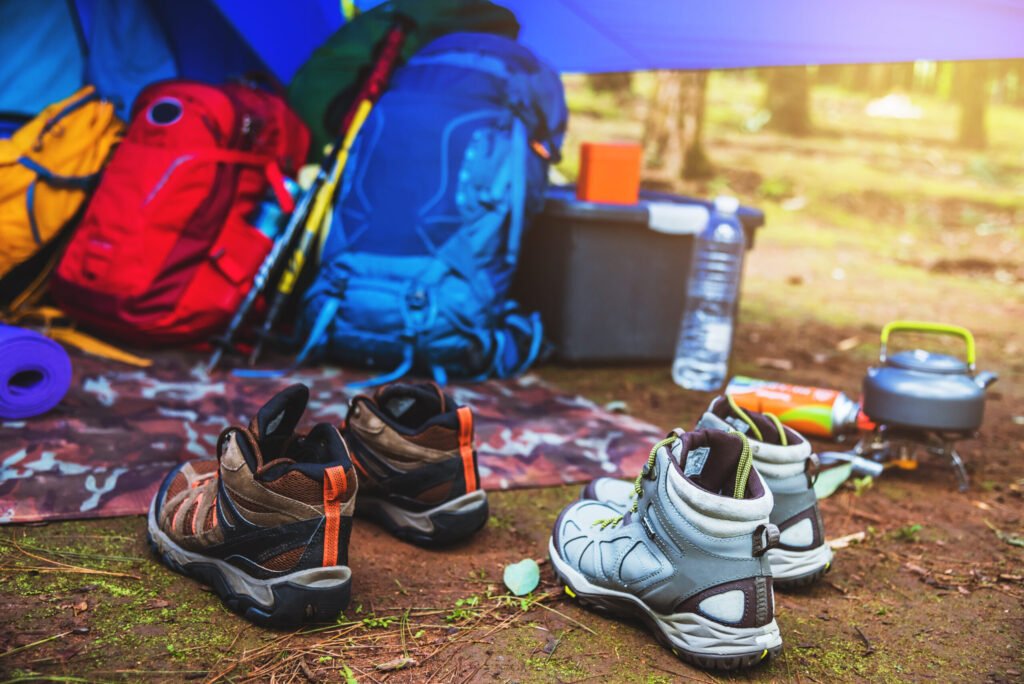
Every borrowed item reduces waste. Rotating inventory through multiple users cuts manufacturing demands by up to 80% compared to private ownership. This model keeps functional items circulating for years instead of gathering dust or heading to landfills after minimal use.
Building Skills and Connections
Shared equipment creates unexpected opportunities. Urban youth groups learn river safety through donated kayaks, while retirees test hiking poles before mountain vacations. Over 60% of program users report trying new activities they couldn’t afford otherwise, sparking lifelong passions for nature exploration.
These initiatives prove that access beats ownership for creating equitable outdoor experiences. They turn financial limitations into gateways for discovery, helping families and first-timers enjoy wilderness adventures without burden.
Exploring Gear Libraries and Rental Programs
Adventure seekers have multiple pathways to access quality outdoor equipment without long-term investments. From neighborhood shops to campus initiatives, these solutions connect people with tools for wilderness exploration while supporting community growth.
Local Outdoor Retailers and Club Initiatives
Neighborhood shops serve as practical hubs for temporary gear access. Many stock tents, sleeping bags, and backpacks alongside retail items, with REI’s try-before-you-buy model letting customers field-test equipment. Local hiking clubs often partner with these businesses, offering members discounted rates through specialized outdoor libraries.
Online services like Outdoors Geek simplify logistics by shipping pre-packed kits nationwide. Their backpacking bundles include weather-ready shelters and portable cooking systems—ideal for group trips requiring bulk items.
University and Nonprofit Lending Programs
Campus outdoor centers provide budget-friendly options for students. These facilities typically offer:
- Lightweight tents rated for three seasons
- Insulated sleeping bags suitable for mountain climates
- Hydration packs with built-in filtration systems
Nonprofits like the Outdoors Empowered Network take community support further. Their trained staff conduct gear orientation sessions alongside equipment loans, ensuring safe usage of technical items. Public libraries have also joined the movement—Bedford’s location loans binoculars alongside its book collection, while Benbrook provides camping accessories.
Peak seasons demand early reservations. Always check local availability windows and return policies when planning expeditions. These systems prove that shared resources can unlock extraordinary outdoor experiences for all skill levels.
Enhancing Your Outdoor Experience with Practical Tips
Smart preparation transforms outdoor adventures from stressful to seamless. Whether you’re planning a weekend camping trip or a multi-day trek, selecting the right tools and handling equipment properly ensures safety and enjoyment.
How to Choose the Right Rental Gear
Start by matching your equipment to trip specifics. Consider nighttime temperatures when selecting sleeping bags—a 20°F rating works for summer mountain trips but fails in winter conditions. Tent size matters: a 4-person shelter fits two adults comfortably with extra space for packs.
Backpack fit prevents sore shoulders. “Your hip belt should carry 80% of the weight,” advises a Colorado outfitter. Test straps and compartments before leaving the rental shop. For cooking systems, prioritize lightweight stoves for long hikes but choose family-sized kits for group meals.
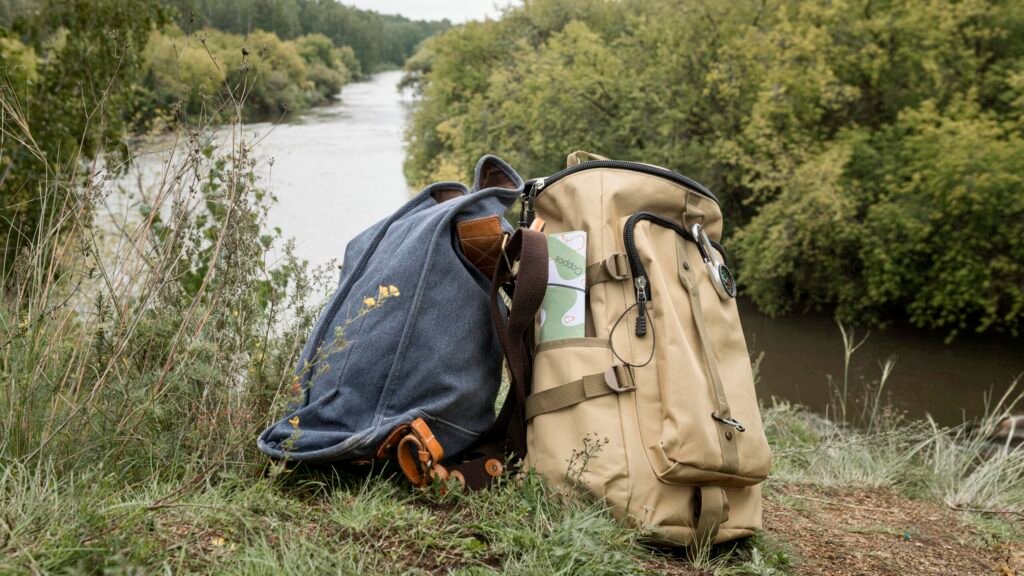
Best Practices for Inspecting and Returning Equipment
Inspect every item upon pickup. Check tent poles for bends, sleeping pads for leaks, and water filters for clogs. Report issues immediately—most services replace damaged items at no extra cost.
Clean gear thoroughly before returning. Brush dirt from tent floors, air out sleeping bags, and wipe food residue from cooking tools. A Seattle rental manager notes: “Proper care keeps prices low for everyone. Dried mud on tents costs us hours in cleaning fees.”
Return items on time to avoid late charges. Pack everything in its original case, and snap photos of organized kits for future reference. Building rapport with staff often leads to priority booking during peak seasons and personalized recommendations for your next adventure.
Bringing It All Together: Your Path to Accessible Outdoor Adventures
Outdoor exploration thrives when communities and companies unite. Over the past decade, innovative partnerships between outdoor brands and local organizations have transformed how families experience nature. Top manufacturers like Osprey and Therm-a-Rest now donate equipment to support this mission, ensuring quality items reach those who need them most.
These systems prove adventure isn’t limited by budget or storage space. Parents can introduce kids to camping through $10 weekend kits. Students access professional tools for class trips without draining savings. Even seasoned hikers benefit, testing premium products before personal purchases.
The environmental impact matters too. Shared items reduce waste—one sleeping bag might serve 20 families over five years. This circular model keeps functional gear rotating through communities rather than landfills.
Ready to begin? Start with three steps:
- Search local libraries or outdoor shops for free borrowing programs
- Compare fee structures at university outdoor centers
- Follow nonprofits on social media for seasonal gear drives
Every borrowed tent or backpack strengthens connections between people and wild spaces. As participation grows, so does collective stewardship of our planet’s natural treasures. For more great articles on hiking, go here.