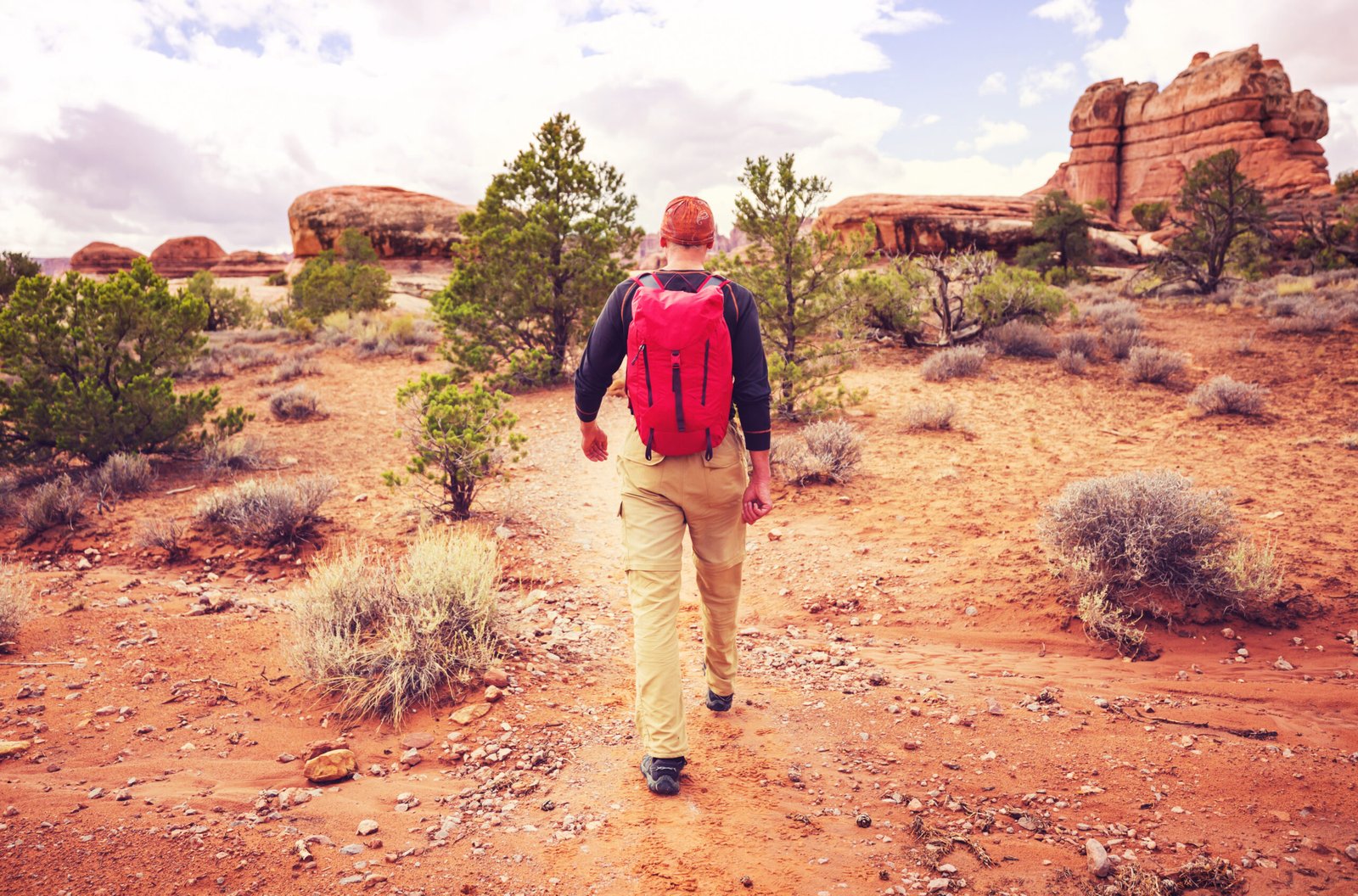
Desert Hiking Renaissance : Why Arid Landscapes are Trending
Discover the ultimate Desert Hiking guide. Learn how to navigate arid landscapes with ease and stay safe on your next adventure.
Vast horizons and sculpted rock formations are drawing adventurers to America’s driest regions. Once overlooked for greener trails, arid environments now attract those craving solitude and raw natural beauty. The American Southwest leads this movement of desert hiking, offering stark contrasts to crowded mountain paths.
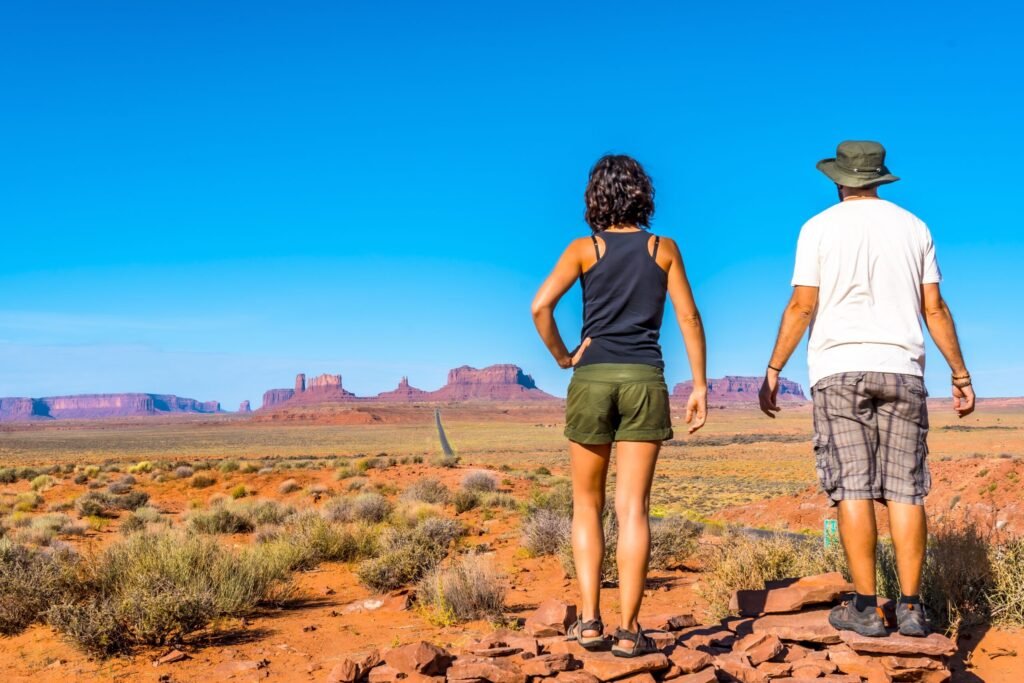
Experts like Andy Lowry, who navigates California’s Mojave region, highlight its extremes: 120°F summers and just 5 inches of annual rain. Yet these harsh conditions reveal rewards—twisted juniper groves, star-filled skies, and sunsets that paint mesas in fiery hues. “It’s not about conquering nature,” says Lowry, “but adapting to its rhythm.”
Modern explorers value year-round access when snow blocks alpine routes. Spring brings wildflowers to cracked earth, while fall offers cooler temps for tackling slickrock formations. Social media fuels interest, with viral photos showcasing Joshua Tree’s spiky silhouettes and Zion’s red-rock canyons.
This trend isn’t just scenic—it’s a test of skill. Navigating dry desert terrain demands smart water management and heat-smart gear choices. Minimalist backpackers thrive here, carrying only essentials across landscapes that reward careful planning with unmatched serenity.
Understanding the Allure of Desert Hiking
Barren vistas reveal nature’s artistry through extremes. Sun-baked earth transforms into living galleries where light sculpts shadows across ancient stone. These environments challenge perceptions of beauty, rewarding visitors with sensory experiences found nowhere else.
With the rising popularity of desert hiking, more enthusiasts are discovering the beauty and challenges that come with exploring arid landscapes.
For many, desert hiking represents an opportunity to reconnect with nature in its most raw form.
Nature’s Sculpted Masterpieces
Wind-carved slot canyons glow amber at dawn, their walls narrowing to knife-edge passages. Towering arches frame panoramic views, while cryptobiotic soil crunches underfoot like nature’s mosaic. This delicate ground ecosystem supports life while creating textures unseen in forested areas.
Golden hour unveils the desert’s magic. Heat waves dance above sun-warmed rocks, creating liquid-light illusions. After sunset, stars blaze across unpolluted skies—their brilliance amplified by the absence of moonlight.
Call of the Untamed Wild
Adventurers seek these parched regions for their raw authenticity. “Every drop of water matters here,” notes photographer Lila Marcos. “It changes how you interact with the land.” Rare wildlife sightings—from darting roadrunners to camouflaged lizards—add thrill to each journey.
National parks like Joshua Tree showcase nature’s endurance through twisted rock formations. The silence amplifies footsteps on gravel, creating rhythm with each breath. This thing—this communion with elemental forces—draws modern explorers seeking renewal through Earth’s starkest poetry.
Preparing for a Successful Desert Hiking Trip
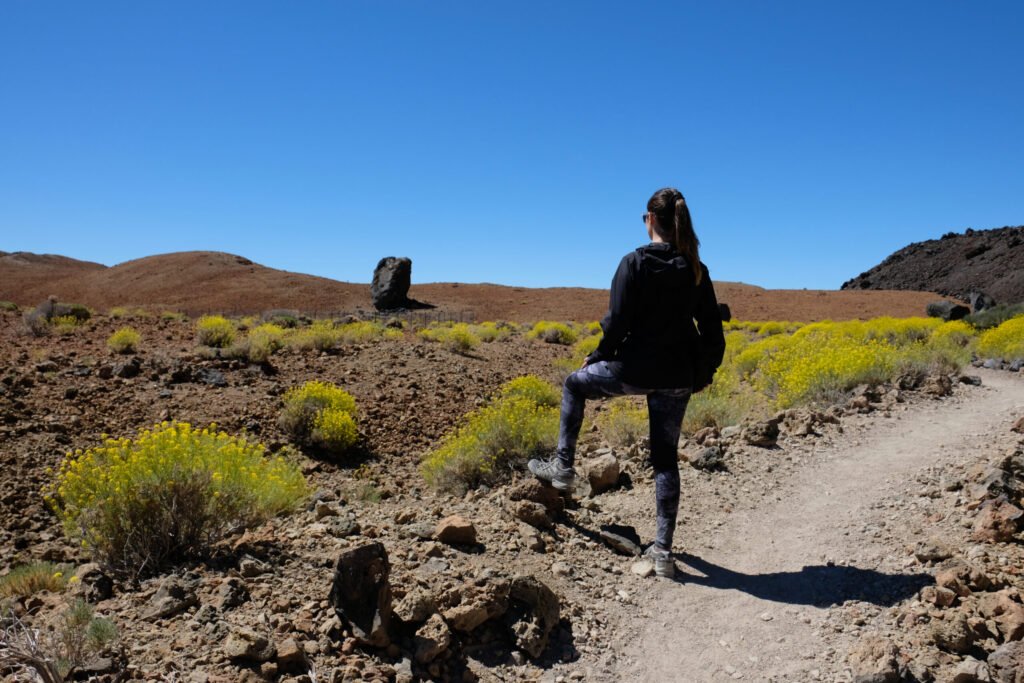
Mastering the elements starts long before setting foot on sun-baked soil. Park service rangers emphasize checking trail logs and weather forecasts daily. “Conditions change faster than cactus blooms,” says Utah guide Mara Jensen. “Your plan must flex with the environment.”
Researching Trails and Weather Conditions
Begin with official park websites for current trail updates. Spring and fall offer mild temperatures, while summer heat poses serious risks. Winter nights often drop below freezing unexpectedly.
| Season | Day Temp | Night Temp | Key Tip |
|---|---|---|---|
| Spring | 75°F | 45°F | Watch for flash floods |
| Summer | 105°F | 85°F | Hike at dawn |
| Fall | 85°F | 55°F | Check water sources |
| Winter | 60°F | 25°F | Pack layers |
Planning Your Route and Itinerary
Map alternate paths in case washed-out trails block your way. Allow extra time for sandy terrain—three miles here equal five elsewhere. Share your schedule with rangers and emergency contacts.
Note service dead zones using park maps. Carry a satellite communicator for remote areas. A well-planned trip lets you focus on ancient petroglyphs instead of worrying about water reserves.
Desert Hiking: Essential Gear and Clothing
Equipping yourself properly transforms arid adventures from endurance tests into rewarding journeys. The right combination of technical fabrics and smart design keeps explorers safe while amplifying their connection to stark landscapes.
Footwear and Apparel Fundamentals
Breathable boots outperform waterproof models in scorching conditions. Look for mesh panels and reinforced toes—features in popular options like Merrell Moab Ventilators. Pair them with moisture-wicking socks to prevent blisters on long treks.
Clothing choices balance sun protection and airflow. REI’s Sahara shirts with UPF 35 defense work alongside convertible pants like Prana’s Halle style. “Dark colors absorb heat like sponges,” warns outdoor educator Tessa Nguyen. “Stick to light hues that reflect sunlight.”
Sun Defense Accessories
A wide-brim hat forms your first shield against UV rays. Combine it with polarized sunglasses blocking 100% UVA/UVB light. Don’t overlook SPF 50+ sunscreen—reapply every two hours, even on cloudy days.
Innovative tools like Kool Tie neck wraps extend comfort. These crystal-filled strips stay chilled for hours when soaked in water. Complete your kit with fingerless gloves and a lightweight buff for multi-use protection.
Staying Hydrated in Dry Environments
Hydration becomes your lifeline when exploring sun-scorched trails. Arid climates demand meticulous planning, as the body loses fluids faster through sweat and rapid evaporation. Even seasoned adventurers often underestimate how quickly dehydration can strike under relentless sun.
How Much Water to Bring and When to Refill
Start with one liter water intake before stepping onto the trail—sipped slowly with snacks to aid absorption. For a three-hour trek, carry three liters minimum. Backpackers venturing deeper should pack six liters or more, stored in a spacious daypack with insulated sleeves.
Natural water sources like desert springs are rare and often contaminated. Always assume you’ll need to carry every drop. If refilling from a questionable source, use a water filter rated for bacteria and silt. Sawyer Squeeze systems remove 99.99% of pathogens, making murky pools safer.
Electrolyte Strategies for Maintaining Balance
Sweating drains sodium and potassium faster than plain water can replenish. “Drinking without electrolytes is like pouring fuel into a leaky tank,” explains Grand Canyon guide Renata Cole. Mix in additives like Liquid I.V. or Nuun tablets every third liter to maintain muscle function.
Watch for signs of imbalance: headaches or cramping mean it’s time to boost mineral intake. Portable options like SaltStick caps provide quick fixes without sugary residues. Balance your intake—too many electrolytes without enough water can worsen dehydration.
Understanding and Managing Temperature Extremes
Mastering temperature shifts separates successful adventurers from those caught unprepared in arid regions. Scorching days and chilly nights demand strategic planning, with conditions changing faster than most anticipate. Proper timing and adaptable gear choices become survival tools in these environments.
Timing Your Hike to Avoid Peak Heat
Plan routes around the sun’s schedule—summer temperatures often exceed 110°F between 10 AM and 4 PM. “Your shadow should never be shorter than you,” advises Death Valley ranger Carla Ruiz. Start before dawn to cover miles during cooler morning hours.
| Season | Day Temp | Night Temp | Recommendation |
|---|---|---|---|
| Summer | 115°F | 85°F | Hike by moonlight |
| Winter | 60°F | 25°F | Insulated layers required |
| Spring/Fall | 75°F | 45°F | Monitor weather apps |
Adapting to Sudden Weather Shifts
Carry a pack with convertible clothing—lightweight merino wool layers work best. Temperatures can plummet 40°F after sunset, making gloves and beanies essential even in summer. Humidity below 20% accelerates both heating and cooling cycles.
Smart hikers check forecasts hourly using apps like Weather Underground. Heat exhaustion risks spike when winds die down unexpectedly. Always carry emergency shelter materials—a reflective blanket weighs less than 4 ounces but can save lives during unplanned night stops.
Navigation and Trail Markings in the Desert
Finding your way through arid landscapes requires different skills than forested trails. Natural signs and human-made markers become lifelines in regions where paths blend with endless rock formations. Stay trail-focused strategies prevent disorientation while protecting fragile ecosystems.
Utilizing Rock Cairns and Natural Cues
Stone stacks called cairns serve as breadcrumbs across featureless terrain. Rangers place these markers using a key rule: each must be visible from the previous one. “If you can’t spot the next cairn, backtrack immediately,” advises Zion National Park guide Ryan Cole.
| Feature | Cairn Systems | GPS Devices | Key Benefit |
|---|---|---|---|
| Visibility | 150-200 ft apart | Satellite tracking | Redundancy in navigation |
| Maintenance | Ranger-checked weekly | Battery dependent | All-weather reliability |
| Environmental Impact | Zero tech waste | Screen glare issues | Low-light advantage |
Watch for green paint dots on slickrock—the Bureau of Land Management’s way of marking remote routes. Juniper roots often cross paths, their twisted shapes signaling established trails. Cracked earth patterns also guide explorers, with packed ground indicating frequent use.
Always follow trail etiquette by leaving cairns undisturbed. Building unauthorized stacks causes confusion and endangers others. Pair traditional methods with offline maps for backup—many areas lack cell service despite their stark beauty.
Staying Safe from Heat Exhaustion and Stroke
Navigating arid regions demands vigilance against invisible threats lurking under the sun. Recognizing early symptoms and acting swiftly can mean the difference between discomfort and disaster. Preparation transforms potential crises into manageable challenges.
Recognizing Warning Signs on the Trail
Heat exhaustion creeps in silently. Watch for clammy skin, intense thirst, or sudden fatigue. Muscle cramps and dizziness often precede nausea—your body’s way of demanding immediate rest.
When symptoms escalate to vomiting or confusion, heat stroke has likely set in. Red, dry skin and a rapid pulse signal danger. At this stage, every minute counts—delayed action risks organ damage.
Emergency Tips and First Aid Essentials
Move to shade immediately. Loosen clothing and sip cool water if conscious. Apply wet cloths to wrists, neck, and ankles—key cooling points. “Never pour water directly on someone disoriented,” warns EMT trainer Rosa Gutierrez. “It can trigger shock.”
Pack electrolyte gels and a compact emergency blanket. If symptoms persist after 30 minutes, call 911. Remember: first aid stabilizes—it doesn’t replace professional care. Smart planning lets you focus on the horizon, not the hazards. For more great articles, go here.