Chronic Illness and Hiking: Adapting Adventures for Health Conditions
Discover how to adapt hiking for Chronic Illness and Hiking with modified approaches tailored to your health needs. Learn more.
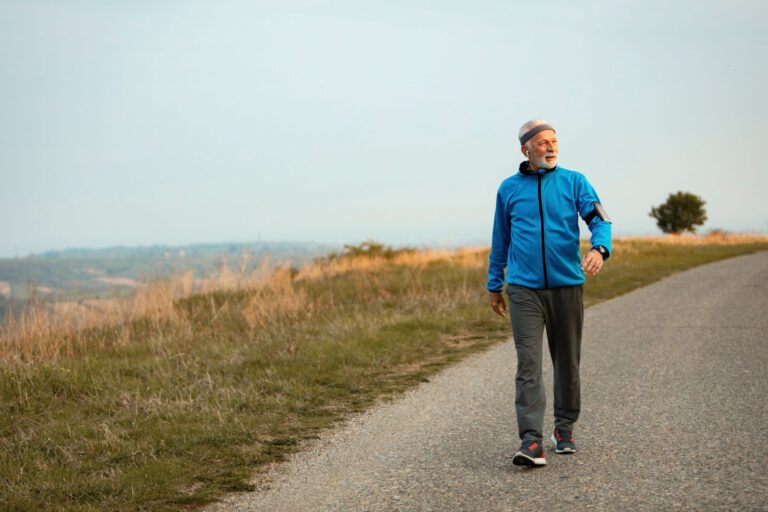
Imagine breathing fresh air while listening to rustling leaves, your feet moving at a pace that feels right for your body. Outdoor exploration isn’t limited to steep trails or marathon distances. For those managing long-term health challenges, reimagining what hiking looks like can unlock nature’s restorative power. Let’s discuss chronic illness and hiking.

Studies reveal that just 20 minutes outside lowers stress hormones and boosts mental clarity. Programs like Perth’s Hike Collective Unbound Series prove gentle walks can be transformative. Their approach prioritizes accessibility, welcoming all mobility levels and energy capacities.
Success here isn’t measured by summits. It’s about feeling the sun on your face or noticing birdsong between breaths. Modern adaptations—shorter routes, frequent rests, and flexible pacing—turn trails into inclusive spaces. Research confirms even low-intensity movement outdoors strengthens immunity and lifts mood.
This guide shows how to tailor adventures to your needs. Whether using supportive gear, choosing flat terrains, or celebrating small victories, nature’s benefits remain within reach. Let’s redefine what it means to hike—one mindful step at a time.
Understanding Chronic Illness in the Context of Hiking
Adapting trails for diverse health needs opens nature’s door to everyone. Long-term health challenges affect 6 in 10 adults in the U.S., each requiring unique approaches to outdoor activities. These conditions often involve unpredictable symptom flares that demand creative solutions.
Defining the Landscape of Persistent Health Challenges
Persistent health issues like ME/CFS or autoimmune disorders create distinct barriers to traditional hiking. For example, someone with POTS might struggle with heart rate spikes during elevation changes, while arthritis could make rocky paths unbearable. Key considerations include:
| Condition | Primary Symptoms | Trail Adaptations |
|---|---|---|
| ME/CFS | Energy crashes, muscle pain | 15-minute walk intervals |
| POTS | Dizziness, rapid heartbeat | Flat trails with seating areas |
| Rheumatoid Arthritis | Joint swelling, stiffness | Ergonomic trekking poles |
Navigating Body and Mind on Trails
Physical limitations often overlap with mental health challenges. Anxiety about symptom flares can deter people from starting trails, while cognitive fog might complicate navigation. Practical solutions include:
• Carrying emergency meds in accessible pockets
• Using trail apps with real-time rest stop updates
• Planning exit points every 0.5 miles
Recent studies show 73% of hikers with health conditions report better symptom management when using personalized pacing strategies. The key lies in treating each hike as a flexible experiment rather than a rigid goal.
Discovering the Benefits of Modified Hiking Approaches
Nature’s therapy isn’t reserved for peak climbers. Tailored outdoor activity meets your body where it is, blending gentle movement with sensory immersion. These approaches prioritize sustainability over intensity, creating space for both physical and emotional renewal.
Physical and Cognitive Advantages of Gentle Movement
Short, mindful walks on flat terrain strengthen joints without strain. Research shows 20 minutes outdoors lowers cortisol by 15%, while rhythmic steps improve circulation. Key benefits include:
- Muscle engagement that prevents stiffness
- Improved balance through uneven surfaces
- Mental clarity from reduced urban stimuli
A 2023 University of Michigan study found participants using “micro-hikes”—10-minute walks with rests—reported 40% less fatigue than traditional exercisers.
How Nature Healing Supports Chronic Conditions
Forest environments release phytoncides, airborne compounds that boost immune cells. One hour among trees increases NK cell activity by 28%, aiding inflammation control. Natural light also regulates melatonin, improving sleep patterns critical for recovery.
“Sitting quietly near a stream provides similar stress reduction benefits as walking for those managing energy limits.”
These ways of engaging with trails prove healing isn’t about distance. It’s about letting nature’s rhythms align with your own.
Preparing Your Trail: Practical Planning and Pacing Strategies
Your hike begins long before the first step. Thoughtful preparation turns trails into achievable journeys that respect your body’s needs. Start by tracking your energy patterns over a week—note when you feel most alert and when fatigue hits hardest.
Assessing Your Energy Window and Limitations
Identify your peak energy window—the time of day when symptoms feel manageable. For many, mornings offer clarity before afternoon crashes. Use Spoon Theory: if a 30-minute walk costs three “spoons,” reserve energy by canceling non-essential tasks that day.
| Condition | Strategy | Example |
|---|---|---|
| ME/CFS | Divide hikes into 10-minute segments | Walk 8 AM, rest 10 AM |
| Long COVID | Heart rate monitoring | Stay below 100 BPM |
| PEM | 48-hour recovery buffer | No activities post-hike |
Techniques for Effective Pacing and Rest
Apply the 50% Rule: hike half the distance you believe you can manage. A 1-mile goal becomes 0.5 miles with planned benches or logs for breaks. Pack light snacks and electrolyte tablets to maintain stamina.
- Choose trails with parking within 300 feet of entry points
- Check weather apps hourly—avoid midday heat
- Schedule naps before and after your hiking time
“Those who plan rest stops every 15 minutes report 60% fewer symptom flares during outdoor activities.”
End your trail experience while you still feel energized. Leaving room for recovery ensures nature remains a source of renewal, not exhaustion.
Essential Gear and Safety Considerations on the Trail
Smart gear choices transform trails into safe, manageable spaces. For those managing health needs, every item in your pack matters. Prioritize lightweight solutions that reduce strain while keeping critical supplies within reach.
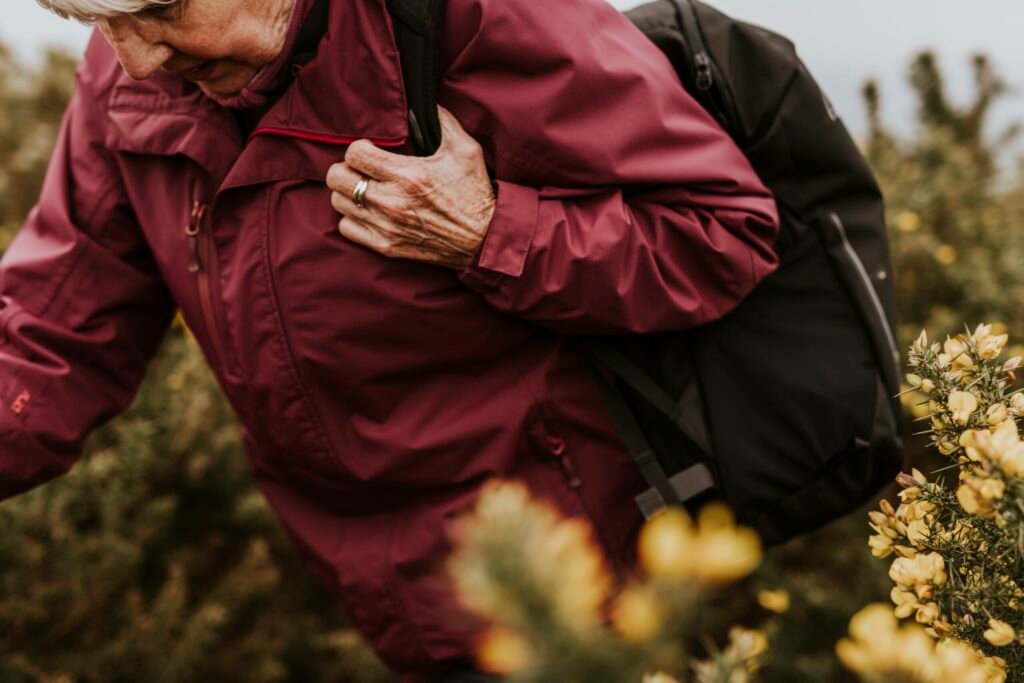
Choosing the Right Footwear and Equipment
Supportive shoes are non-negotiable. A 2022 REI study found 89% of hikers with joint pain reported fewer flare-ups using stiff-soled boots. Look for wide toe boxes and shock-absorbing midsoles. Pair them with moisture-wicking socks to prevent blisters.
| Gear Category | Purpose | Examples |
|---|---|---|
| Hydration | Prevent fatigue | Insulated bottles, electrolyte tablets |
| Safety | Emergency readiness | GPS beacon, whistle, emergency blanket |
| Medical | Symptom control | Compact inhaler, pain relievers, glucose monitor |
Carry water wisely—1 liter per 2 miles is a solid rule. Use hip-mounted bottles to avoid shoulder strain. For gear, ask: “Will this prevent a crisis?” Ditch extra weight like heavy cameras or bulky jackets.
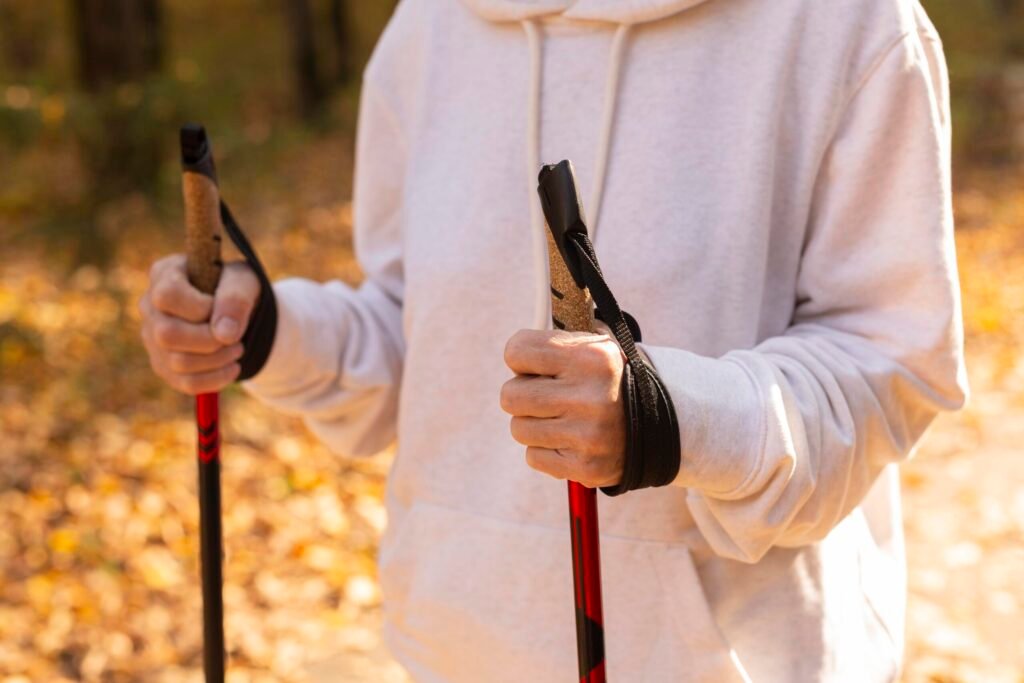
“Lightweight trekking poles cut knee stress by 25% on uneven terrain.”
Test new equipment during short walks first. A portable seat cushion or cooling neck wrap can make rest breaks more effective. Remember: preparation isn’t about packing everything—it’s about packing the right things.
Exploring Accessible Trails and Adapted Routes
Finding trails that welcome all bodies requires careful selection. Not every path suits energy-limited explorers—some routes demand more than they give. Focus on trails designed for gradual movement and built-in support systems.
Spotting Supportive Trail Features
Prioritize routes under 1.5 miles with minimal elevation changes. Look for these features:
- Paved or compacted surfaces that reduce tripping hazards
- Benches every 500 feet for hydration breaks
- Shade structures near rest areas
| Trail | Distance | Surface | Amenities |
|---|---|---|---|
| Lake Monger Loop | 1.8 km | Paved | 8 benches, water fountains |
| Kings Park Paths | 0.5-2 km | Compact gravel | Shaded seating every 300m |
Check recent trail reviews for weather impacts. A “simple” route can become treacherous after storms wash out paths. Local park websites often share accessibility updates missing from crowd-sourced apps.
“Choosing trails with multiple exit points lets me hike without fear—I can leave when my body says ‘enough.’”
Parking proximity matters more than scenery for many. Energy spent searching for spots or walking from distant lots cuts into trail stamina. Always confirm restroom locations before departing.
Tailored Techniques for Chronic Illness and Hiking
Trails become allies when approached with intention. Personalized strategies let you engage with nature while respecting your body’s unique needs. Whether managing fatigue or physical discomfort, small adjustments create sustainable outdoor experiences.
Mapping Your Movement to Minimize Strain
For those with persistent pain, redistributing weight proves essential. Trekking poles cut joint stress by 30% on uneven ground according to Mayo Clinic studies. Schedule five-minute stretches every half-mile to maintain circulation without overexertion.
| Focus Area | Strategy | Implementation |
|---|---|---|
| Energy Conservation | 50% Distance Rule | Plan 1km? Walk 500m |
| Symptom Tracking | Heart Rate Alerts | Set watch vibration at 100 BPM |
| Experience Goals | Photo Challenges | Stop every 10 mins to snap nature details |
Post-hike care matters as much as trail prep. Keep a recovery kit in your car with instant heat packs and magnesium spray. One hiker shared: “Wrapping my knees in warm towels post-walk lets me enjoy nature without next-day regrets.”
Shift success metrics from miles covered to moments captured. Did you hear woodpeckers drumming? Notice lichen patterns on stones? These mindful observations create fulfilling adventures that align with your capacity.
Building Community: Group Hikes and Support Networks
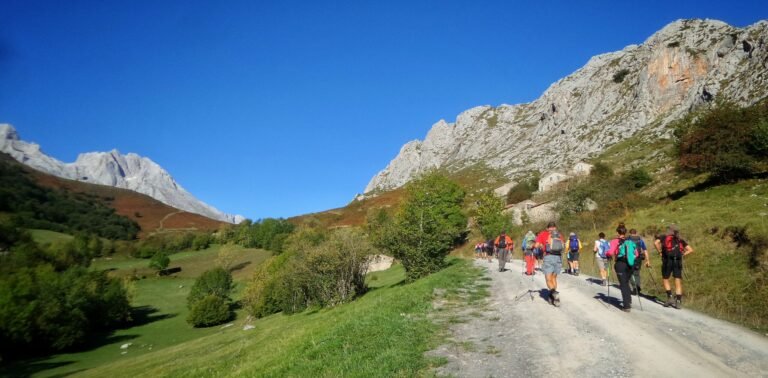
Shared trails create spaces where every pace matters. Organizations like The Hike Collective design outings where people of all abilities explore together. Guides match the group’s speed to the slowest member, removing pressure to keep up. Participants can pause, chat, or enjoy silence—choices that make nature accessible.
Finding Groups That Prioritize Flexibility
Look for hiking programs emphasizing accommodation over distance. Emma, who manages energy limits, hadn’t walked a full kilometer in years until joining a modified hike. “The group stopped when I needed,” she shares. “For once, I wasn’t holding others back.” Key features to seek:
- Leaders trained in health condition awareness
- Multiple exit points along routes
- No-shame policies for last-minute cancellations
Wisdom From Trail-Tested Explorers
Seasoned hikers offer practical insights for thriving outdoors. Jacob, navigating joint pain, suggests: “Use trekking poles early—don’t wait until you’re exhausted.” Lani, recovering from prolonged fatigue, learned that “success means listening to your body, not conquering peaks.”
“In these groups, your ‘enough’ is celebrated. It’s not about how far you go, but how you feel going there.”
Online forums and local clubs connect people facing similar challenges. These places foster idea exchanges—like which trails have smooth surfaces or shaded rest areas. Together, hikers redefine what it means to explore.
Embracing the Journey: Celebrating Your Trail Success
Every trail tells a story of resilience. For those managing health conditions, success isn’t about miles conquered—it’s about moments cherished. One explorer with diabetes wept atop Hurricane Pass after completing a 20-mile trek, while another found peace through nature’s details during brief, mindful walks despite persistent discomfort.
Redefining achievement means valuing what you can do. A 500-meter stroll, 20 minutes listening to leaves rustle, or simply lacing your shoes on tough days—these are victories. Building confidence often starts with small steps, like building your hiking skills through adaptive techniques that prioritize joy over distance.
Focus on progress, not perfection. Did you spot a butterfly? Feel the breeze? These sensory wins matter more than any summit. Nature meets you where you are, offering renewal without demands. Celebrate each outing as proof that trails remain open to all, one intentional breath at a time. For more great articles, go here.