Lightning Safety
Learn Lightning Safety tips for severe weather response. Stay safe with our expert guide on protecting yourself and others from lightning strikes.
Severe weather events demand smart preparation. Across the United States, powerful storms produce over 25 million electrical discharges annually. These natural phenomena create risks that extend far beyond outdoor spaces, with nearly 33% of related injuries occurring inside buildings. Let’s talk about Lightning Safety.
Many assume shelter eliminates danger, but modern infrastructure can conduct energy through wiring and plumbing. This reality makes comprehensive education vital for households and organizations. Recognizing early storm signs and establishing action plans becomes crucial when minutes matter.
Effective protection strategies blend science with practical steps. From monitoring weather alerts to learning emergency care techniques, preparedness reduces harm during unexpected events. Recent climate patterns show intensifying storms, making updated knowledge essential for modern safety needs.
This guide breaks down critical severe weather response principles. You’ll discover how to interpret risk factors, choose proper shelters, and apply life-saving protocols. Whether planning family drills or workplace procedures, these evidence-based methods help build resilience against nature’s unpredictable power.
Understanding Severe Weather and Lightning
Lightning Safety
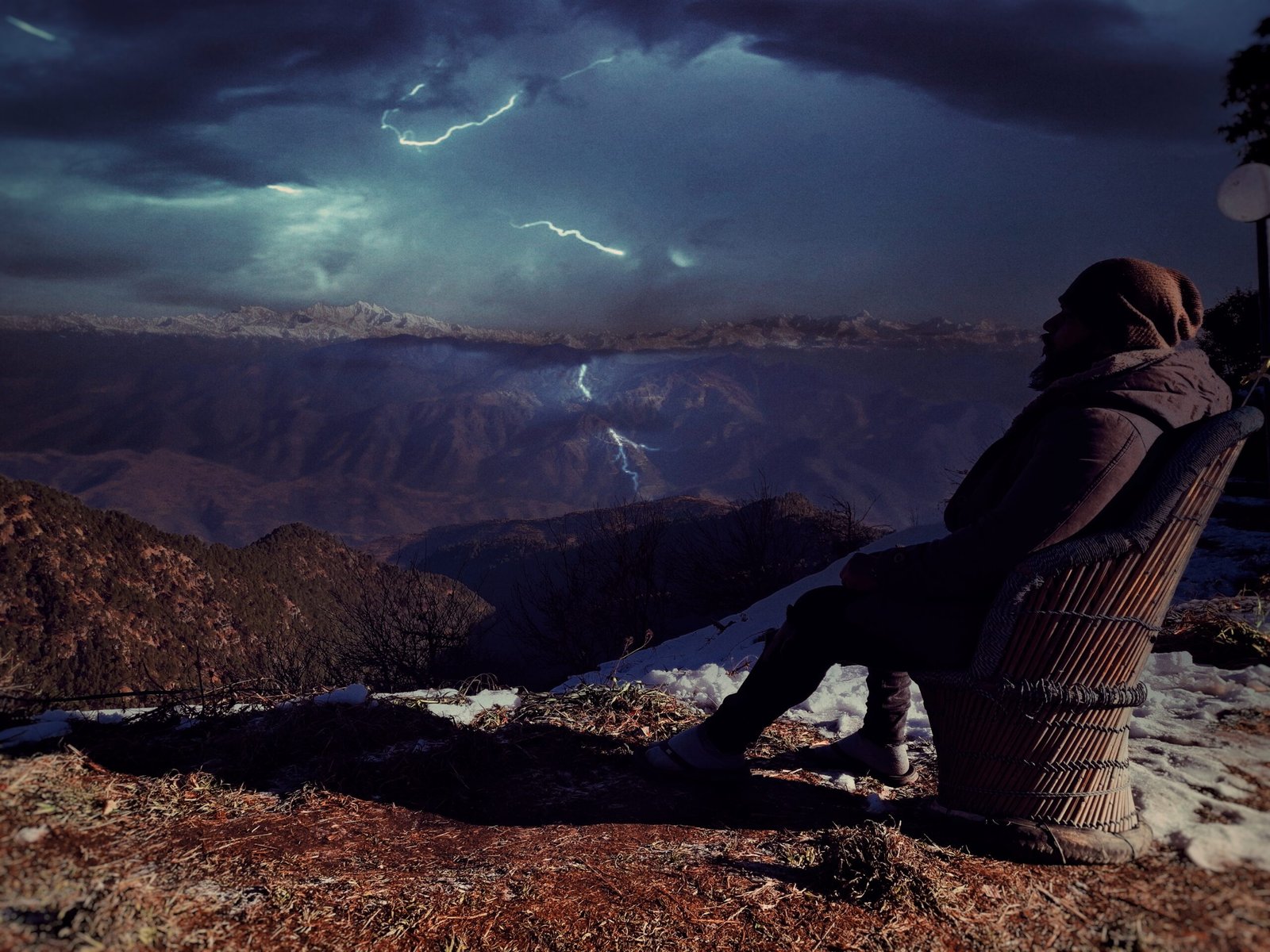
Atmospheric electricity transforms peaceful skies into dramatic spectacles. When storm clouds gather, opposing charges create tension that eventually erupts in brilliant displays of raw power.
What Is Lightning?
This natural phenomenon occurs when electrical energy overcomes air’s resistance. Charges separate within thunderclouds, with ice crystals carrying positive charges upward and heavier particles holding negative charges below. The resulting spark can:
- Travel between cloud layers (intra-cloud)
- Connect clouds to Earth’s surface (cloud-to-ground)
The Thunder Connection
Thunder acts as nature’s built-in alert system. Lightning superheats air to 50,000°F—five times hotter than the sun’s surface—in milliseconds. This sudden expansion creates shockwaves we hear as rumbling echoes.
Key thunder facts:
- Audible up to 10 miles from the strike
- Indicates immediate danger if heard
- Travels slower than light (count seconds to estimate distance)
If you hear rumbles during a storm, assume risk exists. Electrical currents can travel through plumbing, wiring, and moist ground surfaces, making shelter choices critical.
Lightning Safety: Protecting Yourself Indoors
When storms rage outside, your home becomes both refuge and potential hazard zone. Nearly 33% of electrical strike injuries happen inside buildings, often through hidden pathways like plumbing and wiring. Smart precautions transform shelters into true safe spaces during severe weather.
Minimizing Indoor Electrical Risk
Appliances plugged into outlets create direct paths for electricity surges. Avoid using computers, gaming systems, or kitchen devices until storms pass. Whole-house surge protectors help, but personal habits matter most:
- Unplug sensitive electronics before storms arrive
- Never touch metal appliance surfaces during strikes
- Use battery-powered devices instead of wired equipment
Staying Clear of Water and Windows
Plumbing systems conduct electricity over surprising distances. Postpone showers, dishwashing, and handwashing until 30 minutes after the last thunderclap. Additional precautions include:
- Keeping 6 feet from windows and exterior doors
- Avoiding contact with concrete floors/walls containing rebar
- Switching pet gear to plastic collars and leashes
Cordless phones offer safer communication than landlines during electrical storms. Position yourself in windowless interior rooms on non-conductive surfaces like wooden chairs or rubber-soled shoes. These steps dramatically reduce risk when nature’s power surges through modern infrastructure.
Lightning Safety: Protecting Yourself Outdoors
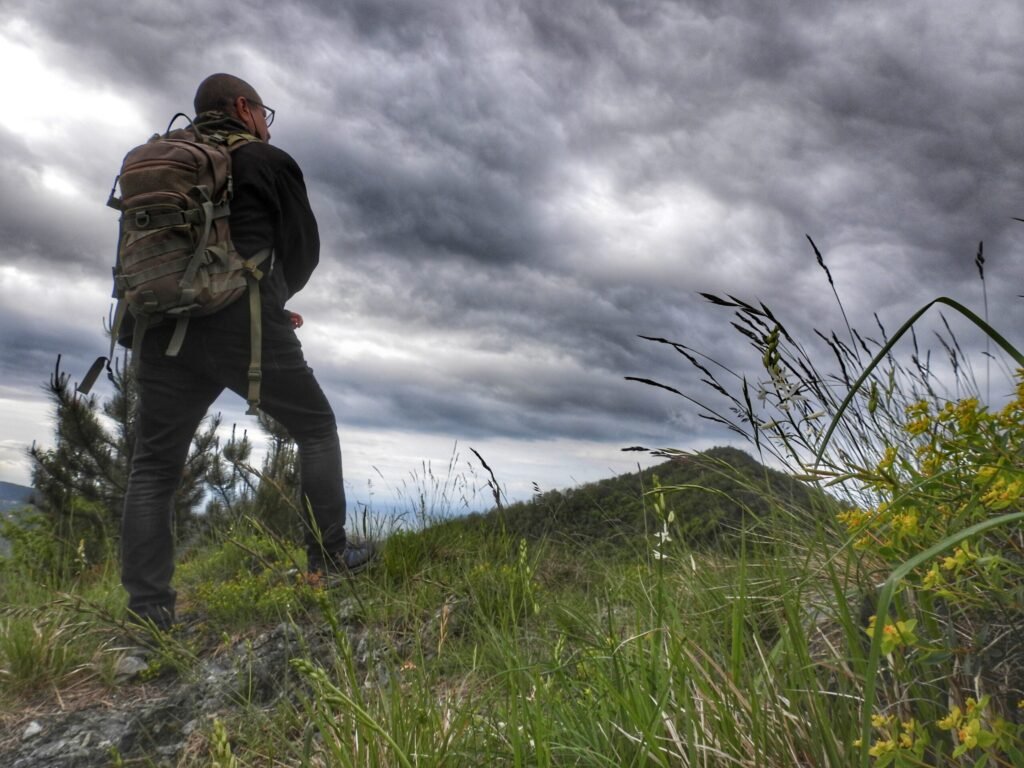
Blue skies can deceive when atmospheric charges build nearby. Nearly 40% of electrical incidents occur during outdoor recreation, making weather awareness critical for hikers, athletes, and event organizers. Modern weather apps provide real-time alerts, but understanding natural warning signs remains vital for immediate response.
Recognizing Weather Warnings
Watch for towering cloud formations with dark bases – these often precede electrical activity. The 30-30 rule helps assess danger: if thunder follows a flash within 30 seconds, seek shelter immediately. Stay alert for these indicators:
- Sudden wind shifts or temperature drops
- Static sounds from metal objects
- Hair standing on end (indicates imminent strike)
Safe Outdoor Shelter Options
Substantial buildings with plumbing and wiring offer optimal protection. When permanent structures aren’t available, hard-top vehicles with closed windows create protective cages through metal framing. Avoid partial shelters like bus stops or picnic pavilions that lack grounded electrical systems.
| Safe Locations | Danger Zones |
|---|---|
| School buildings | Open sports fields |
| Shopping malls | Swimming pools |
| Enclosed trucks | Golf carts |
| Library structures | Beach shorelines |
Wait 30 minutes after the last thunderclap before resuming activities. Storms can regenerate quickly, and strikes often occur during transitional periods. Keep emergency kits in vehicles and know the locations of permanent shelters along regular routes.
Developing an Effective Lightning Safety Plan
Smart preparation turns potential disasters into manageable situations. Outdoor activities require structured protocols that address evolving weather threats. Three critical questions form the foundation: Where’s the nearest shelter? How far is it? and How quickly can everyone reach it?

Planning Ahead for Outdoor Events
Event organizers must map shelter locations and evacuation routes during initial planning stages. For casual gatherings:
- Assign one person to track radar updates every 15 minutes
- Identify buildings with plumbing/wiring within 5-minute walk
- Establish clear hand signals for sudden evacuations
Large venues demand professional-grade solutions. Stadiums and festivals should:
| Small Groups | Large Events |
|---|---|
| Smartphone weather apps | Handheld detection devices |
| Single shelter location | Multiple marked safe areas |
| Verbal alerts | PA system announcements |
Guidelines for Group and Event Safety
Evacuation timing requires realistic calculations. A group of 50 may need 8 minutes to reach shelter – potentially too slow for fast-moving storms. Always add buffer time:
“Assume you have half the time radar suggests. Storms accelerate without warning.”
Essential protocols include:
- Training staff on multiple weather monitoring tools
- Posting evacuation maps at all entry points
- Conducting safety briefings before events start
Remember: Permanent structures offer better protection than temporary shelters. Update plans seasonally as landscape features and construction projects alter safe zones.
Lightning Safety First Aid and Emergency Response
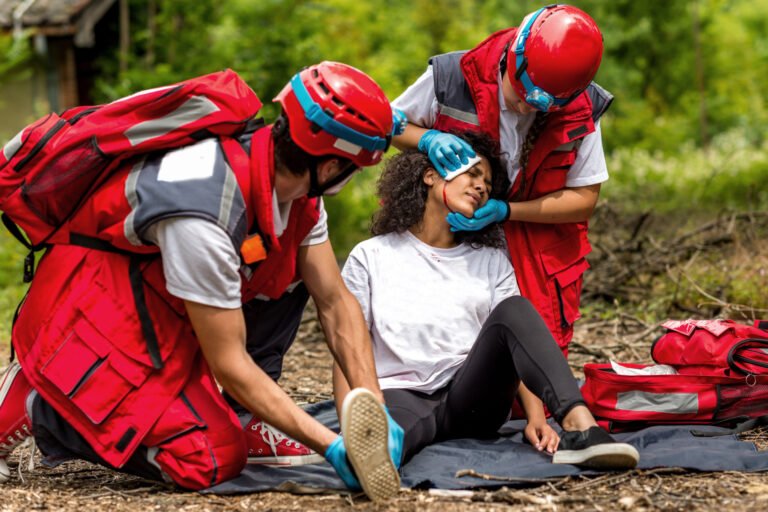
When electrical currents surge through the human body, every second counts. Immediate action can mean the difference between recovery and permanent damage. Follow these evidence-based protocols to maximize survival chances during weather-related emergencies.
Urgent Action Protocol
Dial 911 before approaching anyone affected. Provide clear information: number of victims, exact location, and storm status. Rescuers should scan for ongoing risks like falling branches or active strikes before moving closer.
Key priorities:
- Check breathing and pulse at neck and groin areas
- Look for entry/exit burns on hands and feet
- Stabilize head and neck if falls occurred
Life-Saving Techniques
Cardiac arrest requires instant response. Begin rescue breaths if chest movement stops. Start chest compressions at 100-120 beats per minute if no pulse exists. Continue until medical teams arrive – survival rates improve when CPR begins within three minutes.
“Permanent brain damage can occur after five minutes without oxygen. Don’t wait for signs of life – act immediately.”
Secondary care involves:
- Covering burns with sterile dressings
- Elevating injured limbs
- Monitoring for shock symptoms
Wrap victims in dry blankets if conditions are wet or cold. Remember: no electrical charge remains, so contact poses no risk. Document all observations for emergency responders.
Lightning Safety: Best Practices for the United States
Modern storm tracking tools transform how we respond to sudden weather shifts. Over 95% of weather-related fatalities become preventable with accurate forecasts and proper preparation. This final segment explores how technology bridges critical gaps in severe storm awareness.
Utilizing Reliable Weather Sources
The National Weather Service’s NOAA Weather Radio remains the gold standard for alerts. Pair this with apps offering push notifications from certified meteorologists. Key platforms include:
- Weather.gov’s mobile-friendly radar maps
- FEMA’s emergency alert system integration
- Third-party apps with hyperlocal storm tracking
Cross-reference multiple sources when planning outdoor activities. Real-time data from weather stations often updates faster than TV broadcasts. Enable location services on devices for precise warnings about approaching electrical activity.
Households should establish layered alert systems. Smart speakers can announce watches automatically, while text alerts serve as backups during power outages. Remember: outdated information creates false security. Refresh weather apps regularly and verify timestamps during active storms.
For more great articles, go here.